
(210) 496-3325
A well-built pergola transforms an exposed backyard into a defined outdoor living space — filtered shade, architectural character, and a structure that anchors everything around it. Paradise Decks & Spas designs and installs custom pergolas across San Antonio and surrounding communities, built to handle South Texas heat and styled to complement your home.
By Rick Hogue, Founder & Lead Deck Specialist · Last Updated June 2026
San Antonio’s outdoor living season is long — but the heat between May and September makes unshaded outdoor spaces nearly unusable during the hours that matter most. A pergola is one of the highest-impact improvements you can make to a San Antonio backyard because it addresses that problem directly while adding architectural character that increases your home’s curb appeal and property value.
As a full-service outdoor living company with 19+ years of completed projects across Bexar, Comal, Kendall, and Bandera counties, Paradise Decks & Spas builds custom pergolas in wood, cedar, composite, and aluminum — attached to your home, freestanding in your yard, or integrated with a new or existing deck. Every pergola installation includes site evaluation, structural engineering for Texas wind loads, permit handling where required, and a 3D design rendering before a single post is set.
If you’ve been comparing pergola builders in San Antonio TX and trying to figure out which company builds structures that actually last in this climate — the answer comes down to post sizing, beam depth, rafter spacing, and the hardware used at every connection. We’ll walk you through each decision during your free consultation.
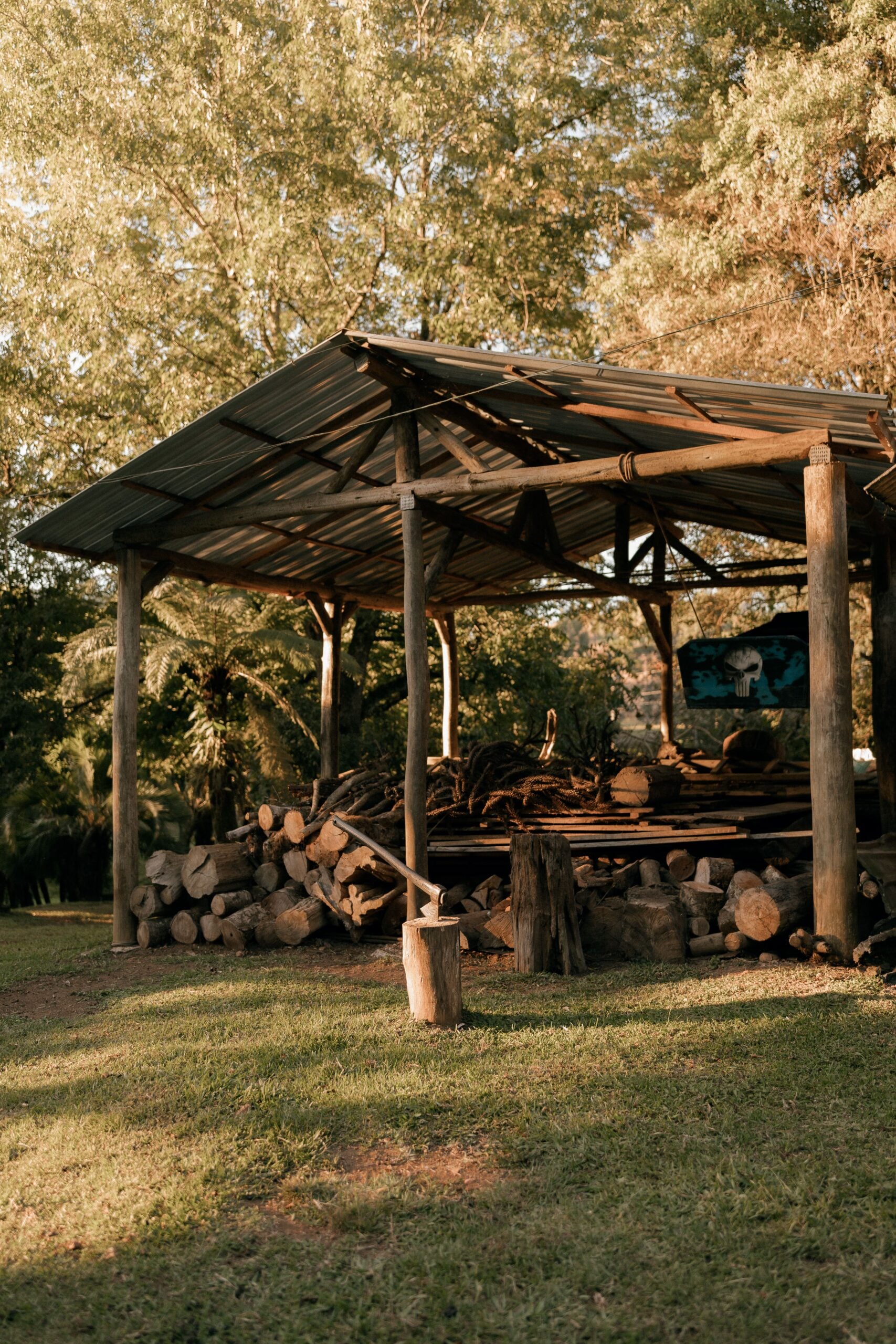
Not all pergola projects are the same. Here are the most popular pergola styles our San Antonio clients choose — and how we design each one for shade, durability, and year-round outdoor living.
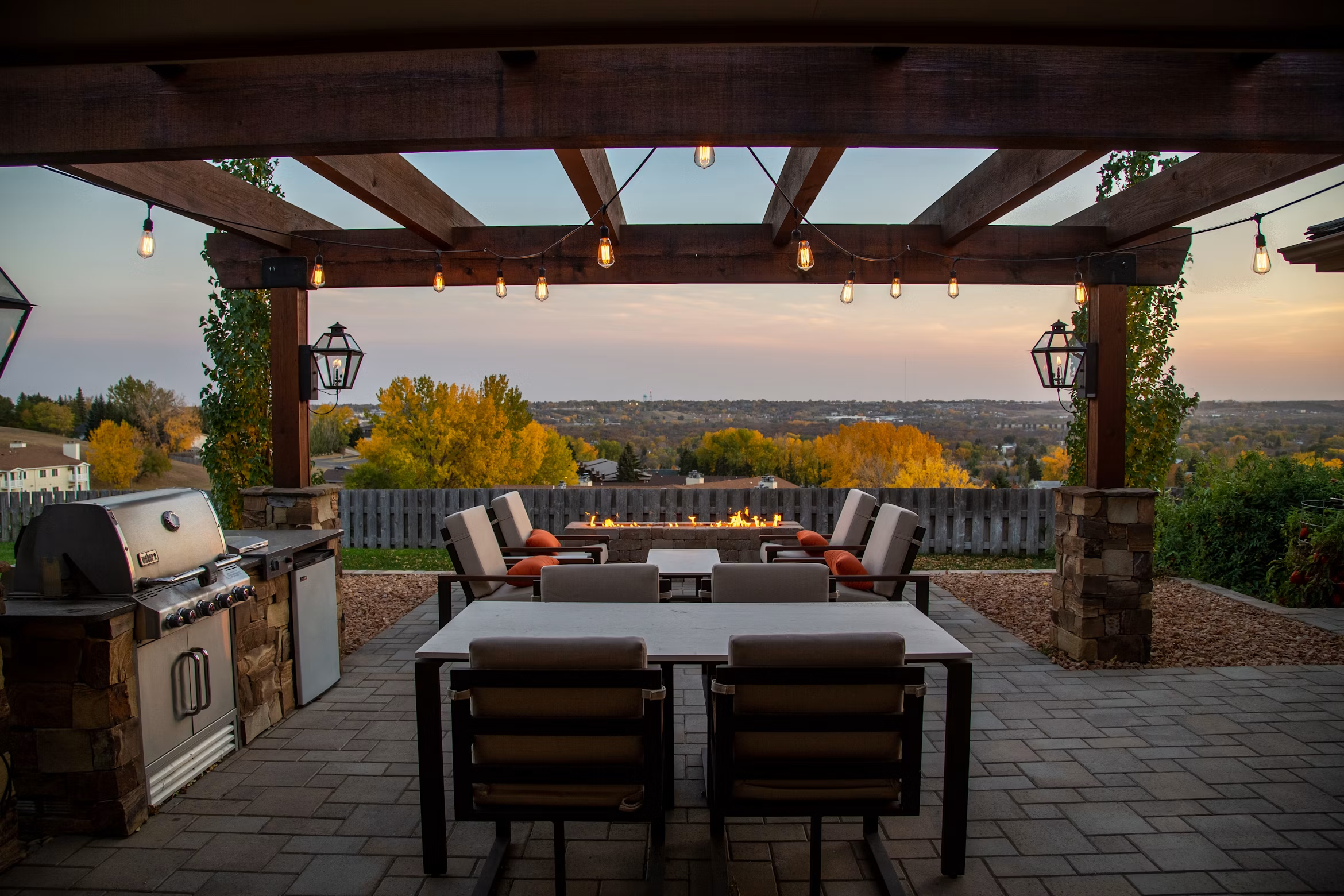
An attached pergola connects directly to your home’s exterior wall via a ledger board — the same connection method used for attached decks. It extends your home’s roofline visually, creates a covered transition from the interior to the outdoor space, and uses the home’s structure as one of its support points, reducing the number of freestanding posts needed. Attached pergolas are the most popular configuration for San Antonio homeowners building a backyard outdoor room because they feel like a natural extension of the house rather than a separate structure in the yard.
Structural considerations for attached pergola installation include proper ledger attachment with flashing to prevent moisture intrusion, beam sizing adequate for the span between the ledger and the outer posts, and rafter sizing and spacing calculated for the visual weight and load the design requires. We engineer every attached pergola for San Antonio’s wind load requirements — not just the minimum code allows.
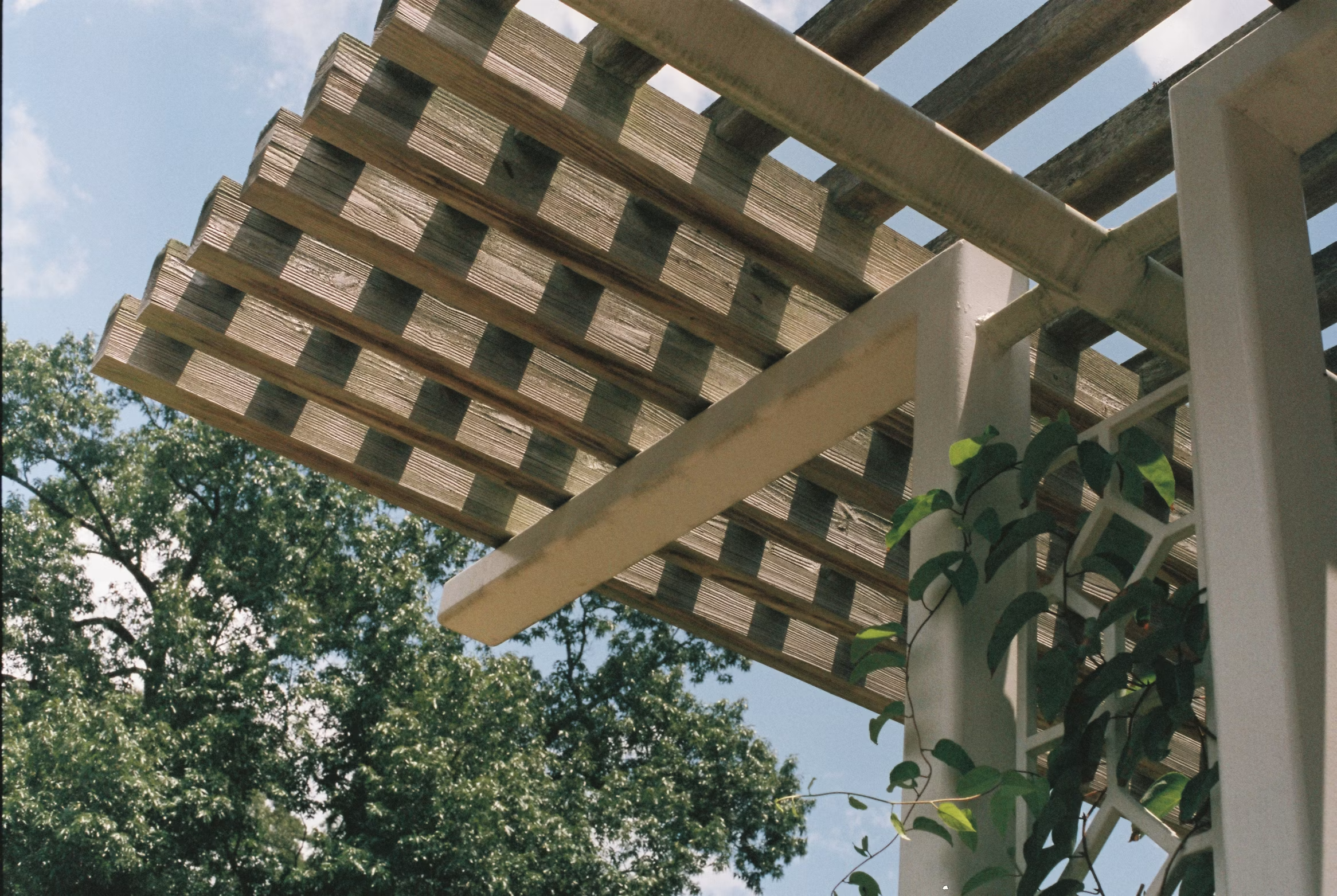
A freestanding pergola is entirely self-supported — four or more posts set in concrete footings with no attachment to the home. Freestanding pergolas create a destination in the yard: over a hot tub pad, at the far end of a large deck, above a garden seating area, or as a standalone structure near a pool. Because they don’t connect to the home, freestanding pergola installation requires properly sized and deep footings — especially in San Antonio’s expansive clay soil where shallow footings heave seasonally.
Freestanding pergolas also offer more design flexibility in terms of placement, orientation, and size. They can be positioned to maximize a specific view, oriented to block afternoon sun from the west, or sized independently of the home’s architecture.
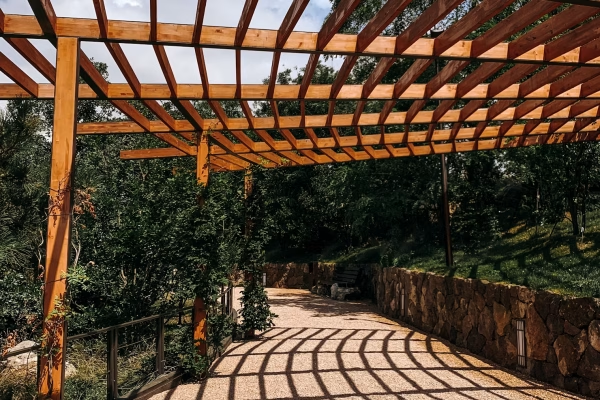
Wood pergolas offer warmth, natural texture, and architectural character that aluminum and composite structures can’t fully replicate. For San Antonio installations, we recommend western red cedar as the primary wood choice — it’s naturally rot-resistant, dimensionally stable in heat, and ages gracefully with a semi-transparent stain applied every 2–3 years. Pressure-treated pine is used for structural members — posts, beams, and ledger boards — where ground contact or moisture exposure requires treated lumber, even on cedar-finish builds.
Wood pergola installation requires more ongoing maintenance than aluminum but delivers an aesthetic that fits naturally with traditional, craftsman, and Hill Country architectural styles common across San Antonio, Boerne, and Bulverde.
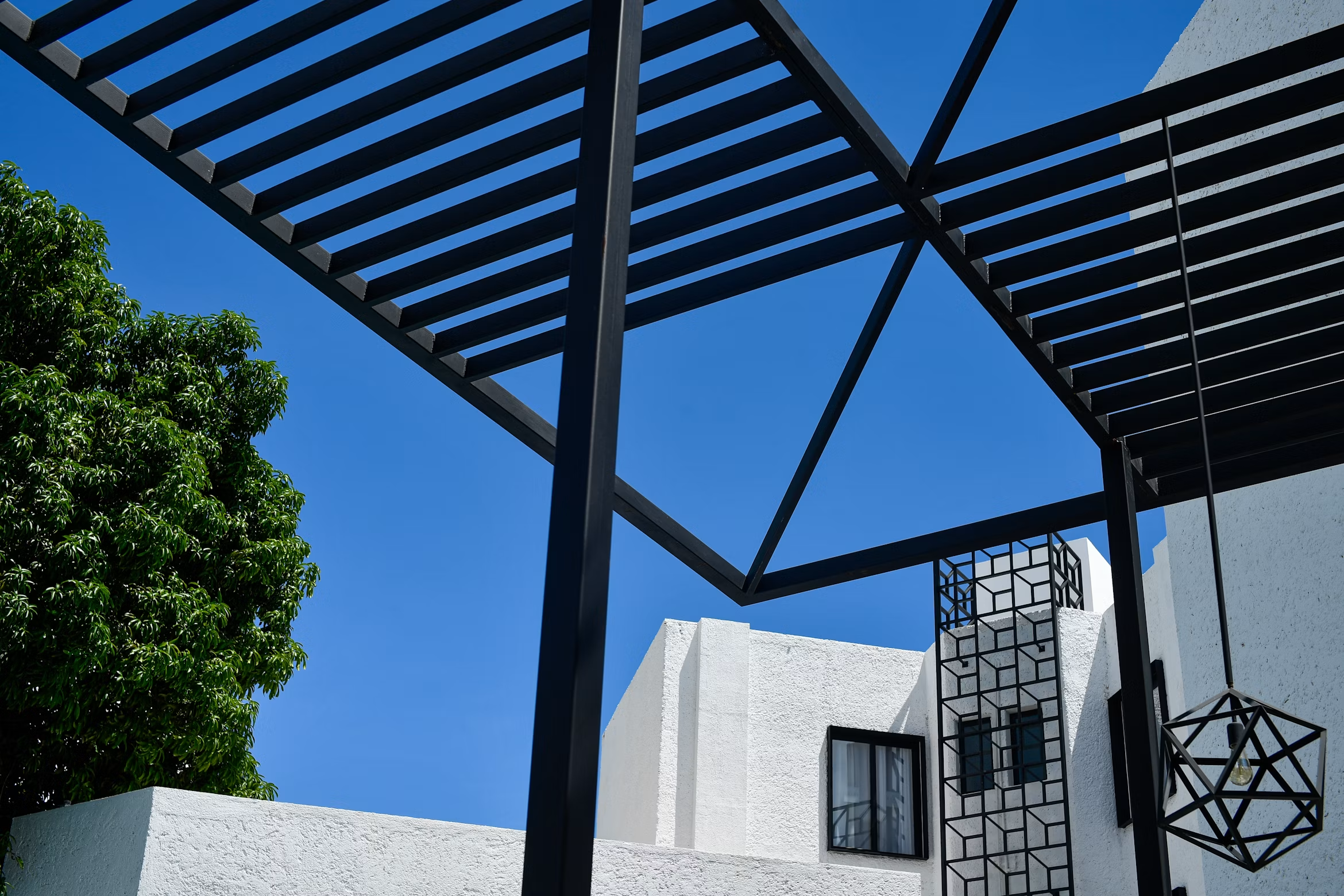
Aluminum pergolas have become the most requested material in San Antonio’s custom pergola market — and for good reason in this climate. Powder-coated aluminum doesn’t rot, doesn’t warp in heat, resists insects, and never needs painting or staining. The maintenance profile is genuinely zero beyond an occasional rinse. Modern aluminum pergola systems offer clean contemporary profiles, louvered roof options that open and close with a remote, and built-in gutter channels that route water off the structure cleanly.
For San Antonio homeowners who want a pergola that performs and looks great in year 15 as well as year one — with no seasonal maintenance requirements — aluminum is consistently our most recommended material.
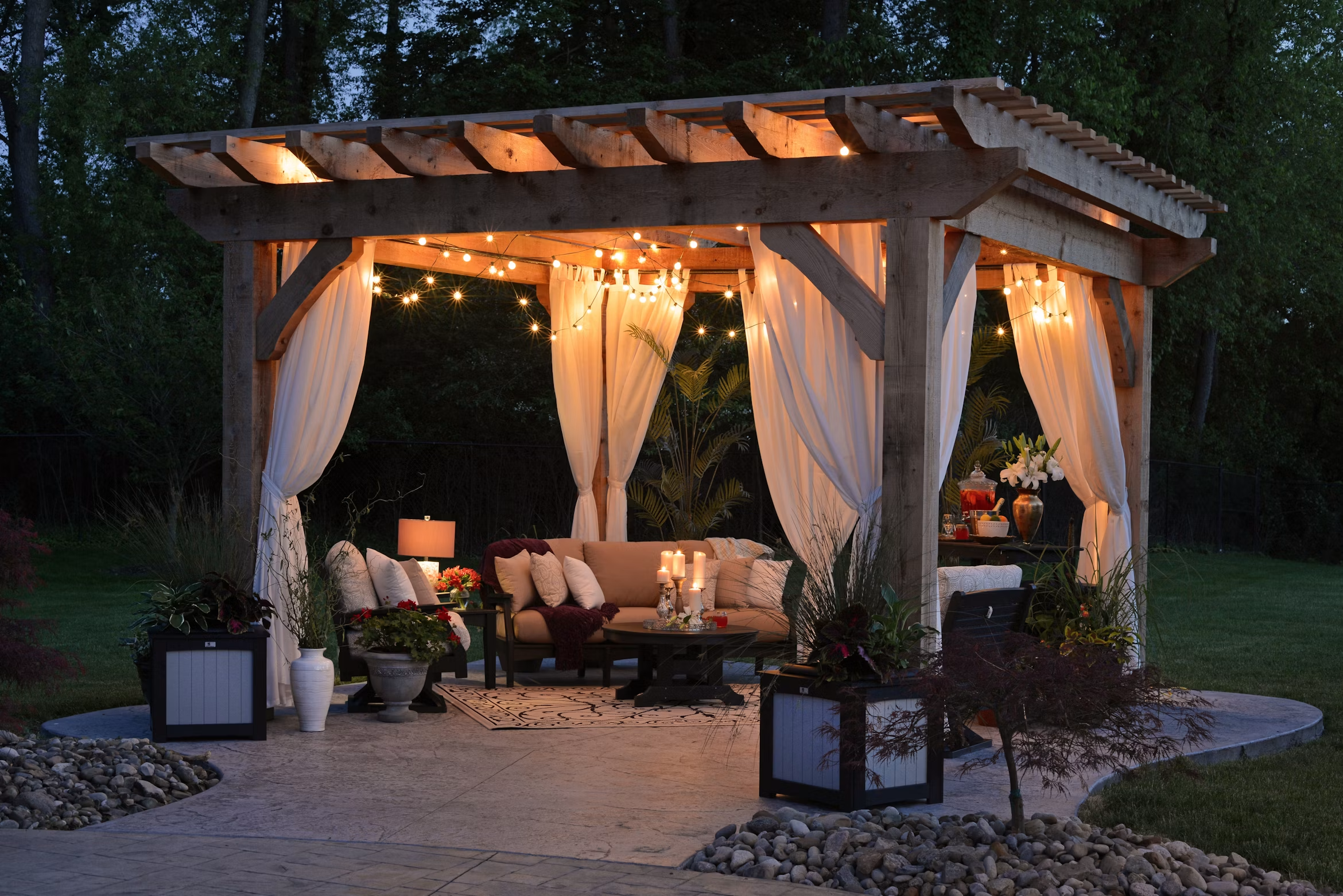
A standard pergola has open rafters that filter sunlight. A pergola with a roof adds varying degrees of weather protection depending on the system chosen:
Step 1 — Free On-Site Consultation We visit your property, evaluate the proposed pergola location, and discuss your goals — shade priority, aesthetic style, material preference, budget range, and how the pergola will relate to your existing or planned deck. We check setbacks, HOA requirements, and permit needs for your specific address during this visit.
Step 2 — 3D Design & Material Selection We produce a 3D rendering showing your pergola’s exact proportions, post placement, beam and rafter profiles, and material finish. You see how it looks with your home before we finalize anything. We bring physical material samples — wood profiles, aluminum finish colors, hardware — so the decision is based on real materials, not brochure photos.
Step 3 — Fixed-Price Written Quote You receive a written scope of work and a fixed-price quote covering all materials, labor, footing work, hardware, and permit fees. The number you approve is the number you pay.
Step 4 — Pergola Permit (Where Required) Freestanding pergolas over 200 sq ft in San Antonio typically require a building permit. Attached pergolas almost always require one. We prepare permit drawings, submit to the City of San Antonio Development Services or your local jurisdiction, and handle inspection scheduling. You don’t manage any part of this process.
Step 5 — Installation We set footings, install posts, attach beams and rafters, and complete all hardware connections with structural-grade galvanized or stainless fasteners. Lighting conduit and fan wiring are run inside the structure during framing — not surface-mounted afterward. The finished pergola gets a full structural review before we call it done.
Step 6 — Final Walkthrough We walk the completed pergola with you, review any care instructions for the material you chose, and confirm all lighting and fan installations are functioning correctly.
We install custom pergolas throughout the greater San Antonio metro and surrounding Hill Country communities.
Primary Service Area: San Antonio, TX
Surrounding Communities: Stone Oak · Alamo Heights · Helotes · Schertz · Cibolo · Universal City · Converse · Boerne · Bulverde · New Braunfels · Canyon Lake · Lake Medina · Bandera
In most cases, yes. San Antonio requires a building permit for attached pergolas and for freestanding pergolas over approximately 200 square feet. Permits are also required for pergolas in most surrounding jurisdictions — Schertz, Boerne, New Braunfels, and others have their own requirements. We verify permit requirements for your specific address and jurisdiction, prepare all drawings, and handle the complete submittal and inspection process.
For zero-maintenance long-term performance, powder-coated aluminum is the top recommendation in San Antonio’s climate. It doesn’t rot, warp, or require seasonal staining — and it handles triple-digit heat without the dimensional movement that affects wood. For homeowners who want the warmth and character of natural wood, western red cedar is the best wood choice — naturally rot-resistant and dimensionally stable with proper sealing every 2–3 years. Pressure-treated pine is acceptable for structural framing members but not recommended for exposed finish surfaces in San Antonio due to its higher maintenance requirements in UV-intense climates.
An attached pergola connects to your home’s exterior wall via a ledger board, using the home as one support point and requiring fewer freestanding posts. It creates a seamless visual connection between your home and outdoor space. A freestanding pergola is entirely self-supported on its own posts and footings — more flexible in placement and orientation but requiring properly sized footings, especially in San Antonio’s expansive clay soil. Both require permits in most San Antonio-area jurisdictions.
A standard attached or freestanding pergola installation typically takes 3–5 working days once construction starts. Larger structures or pergolas with integrated lighting, fan wiring, and motorized roof systems run 5–8 days. Permitting adds 1–3 weeks on the front end depending on your jurisdiction. We give you a written timeline with your quote.
Yes — and this is one of our most common projects. We evaluate your existing deck’s structural condition and framing layout during the site visit, confirm it can support the pergola’s post loads, and design the post placement to align with structural members below the decking surface. If the existing deck needs reinforcement at the post locations, we include that work in the quote.
A standard open-rafter pergola with 2×6 or 2×8 rafters spaced 12–16 inches apart provides approximately 50–70% shade coverage depending on the sun angle. For San Antonio’s high-summer sun position, the shade is most effective in morning and late afternoon — midday sun from nearly overhead passes more directly through open rafters. Adding a shade sail, polycarbonate panels, or a motorized louvered roof increases shade coverage to 85–100%. We discuss your shade expectations honestly during the consultation so the design matches your actual goals.
Yes. A well-built, permitted pergola that integrates with your outdoor living space adds measurable value — both in appraised value and marketability. Unpermitted structures, on the other hand, can create issues at resale when a home inspector flags them. Every pergola we build gets the permit it requires, protecting your investment long-term.
Yes. We run low-voltage conduit and electrical wiring for ceiling fans, LED strip lighting, and pendant fixtures inside the pergola’s framing during construction — so everything is hidden and cleanly integrated rather than surface-mounted after the fact. Fan and lighting design is part of the overall project scope, not an add-on coordinated with a separate electrician.
Whether you want a simple cedar pergola over your existing patio, a full aluminum louvered structure integrated with a new deck, or anything in between — Paradise Decks & Spas has designed and built it in San Antonio before, and we’ll bring the same craft to your project.
Call (210) 496-3325 or email info@paradisedecksandspas.com to schedule your free on-site consultation. You can also visit our showroom at 10615 Perrin Beitel, Suite 604, San Antonio, TX 78217 — open Monday–Friday 9 AM to 5 PM, Saturday 9 AM to 4 PM.