
From ground level deck construction to multi-level custom builds, Paradise Decks & Spas handles every part of the job under one roof. In practice, that covers site prep, framing, decking, and railing.
By Rick Hogue, Founder & Lead Deck Specialist · Last Updated June 2026
Building a deck in San Antonio is not the same as building one in Seattle or Minneapolis. Expansive clay soil shifts seasonally, so footings that work elsewhere crack here without proper sizing and depth. Heat likewise warps undersized lumber and off-spec composite products. Summer storms then put lateral load on every post and connection point.
We have worked as a full-service deck construction company since 2006, with projects across Bexar, Comal, Kendall, and Bandera counties. Because of that experience, we have engineered solutions for every one of those conditions.
Every deck we build is engineered for South Texas conditions. Footings are sized for clay soil, hardware is galvanized throughout, and flashing details protect your home’s structure long term.
Maybe you are pricing out a first deck. Perhaps you are replacing a structure at end-of-life, or adding above ground pool deck construction to a wider renovation. Either way, this page covers deck construction parts, deck construction costs, materials, and our build process.
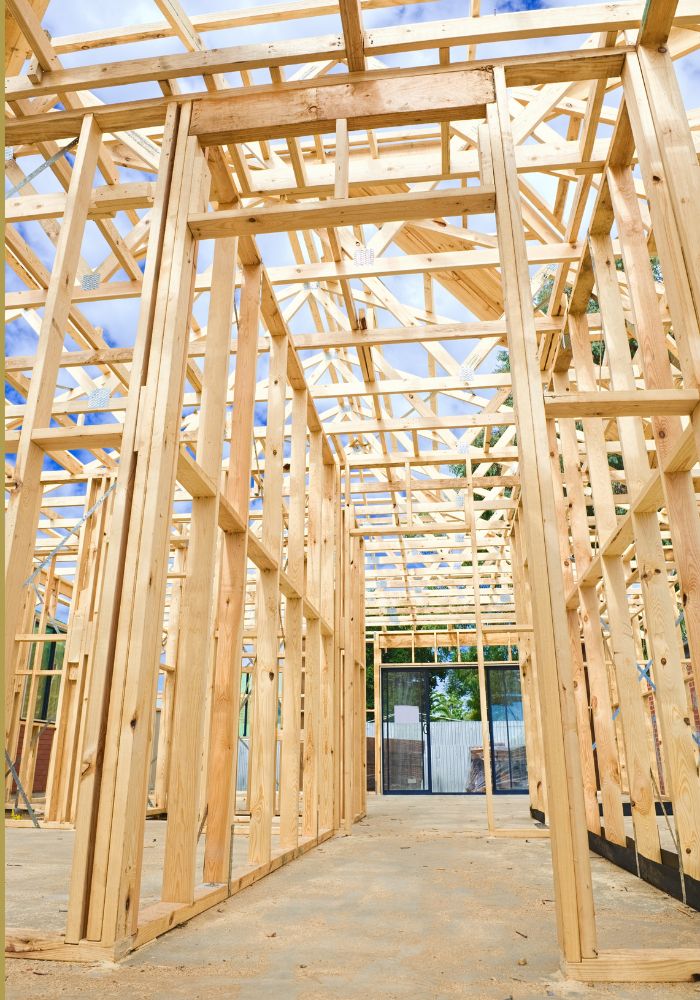
Some homeowners come to us with a blank backyard and a clear vision. Others arrive with an aging deck that has cost more in repairs than a new build would have. Here is how to tell which situation you are in.
Most homeowners focus on the surface they will walk on. Our crew focuses equally on what sits underneath, since that is where 90% of deck failures begin. Below, therefore, is an honest breakdown of the deck construction parts we engineer on every project.
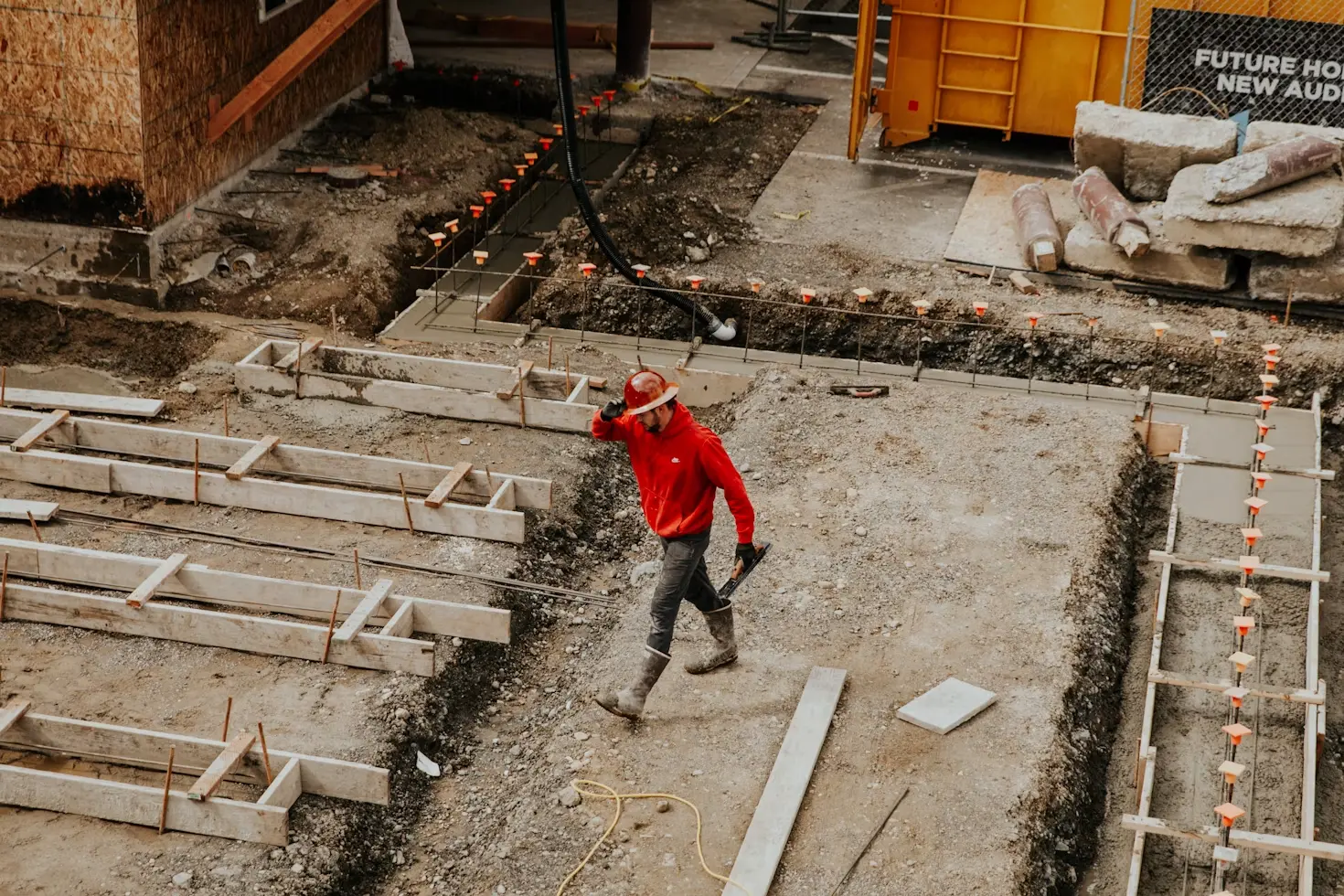
The most critical deck construction parts are the ones you never see. We dig to undisturbed soil, typically 18 to 24 inches in San Antonio’s clay, then pour concrete piers sized to the load above.
Shallow footings heave with the soil. Undersized footings, meanwhile, crack under post loads. So we engineer both depth and diameter before pouring.
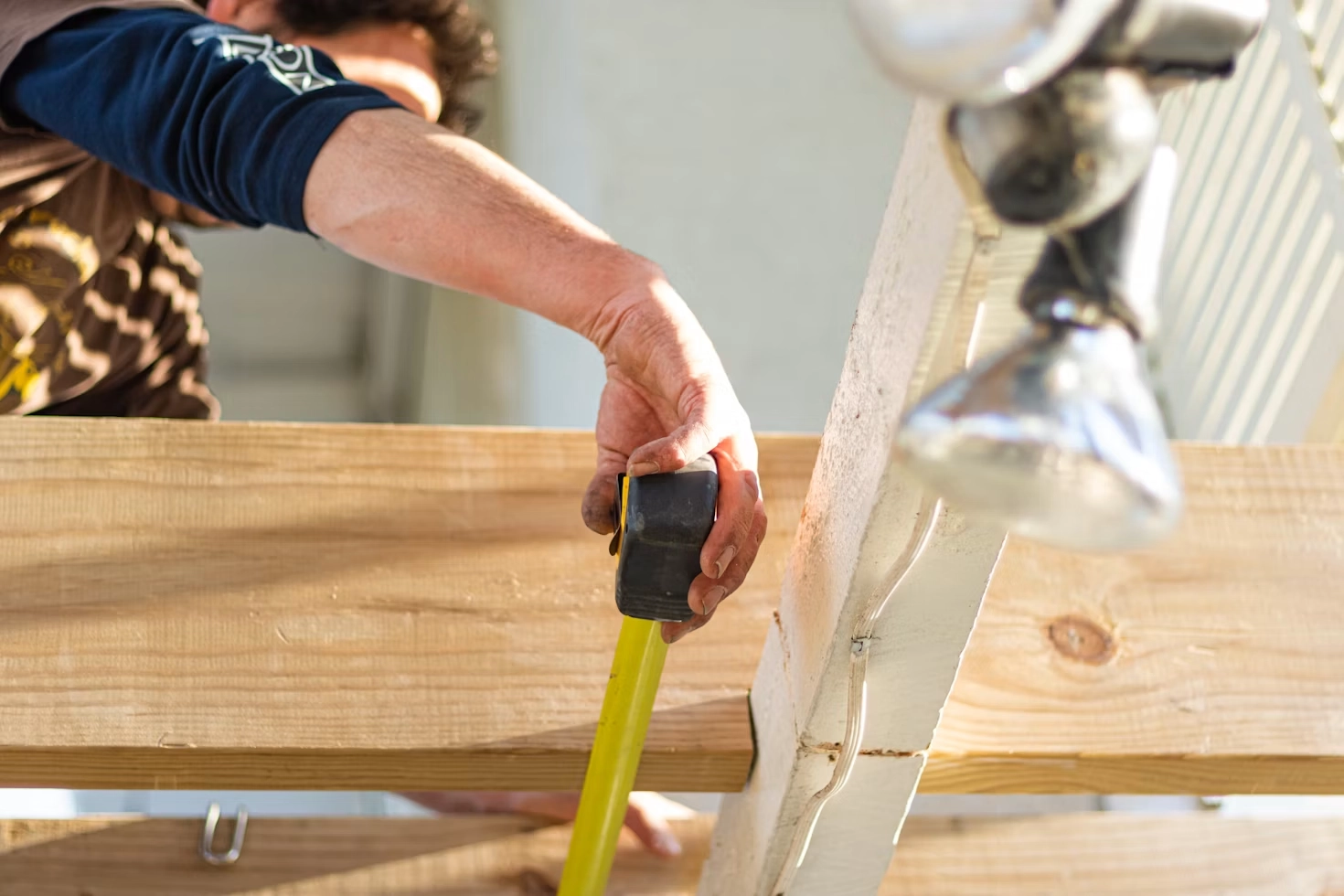
On attached decks, the ledger connects the deck frame to your home’s rim joist. Improper ledger installation is in fact the leading cause of deck collapses nationally.
We install ledgers with proper lag bolt spacing and approved through-wall flashing. A drainage gap then keeps moisture away from your home’s structure permanently.
Beams, joists, and blocking form the skeleton of every deck we build, and we use pressure-treated lumber for all ground-contact framing.
Joist spacing and beam sizing are calculated for span, load, and intended use, including heavy point loads where applicable. Every connection then uses galvanized or stainless hardware rated for exterior exposure.
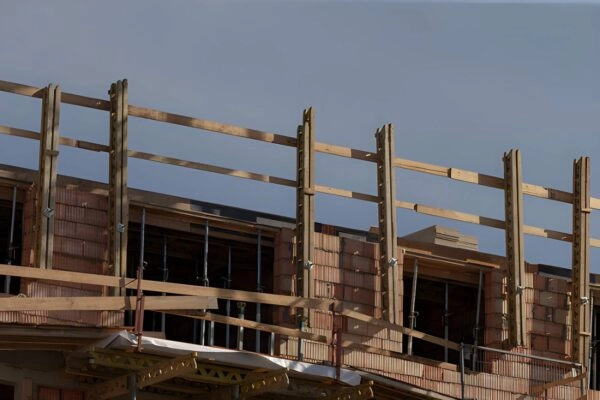
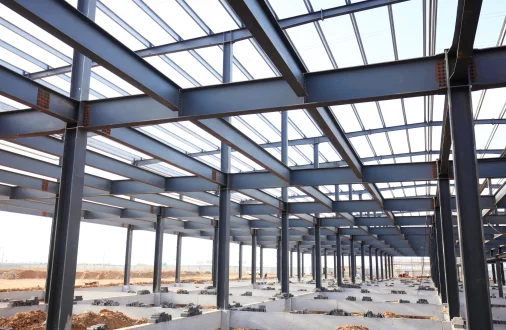
Steel frame deck construction suits elevated decks, commercial applications, and anyone wanting maximum structural longevity. Typically, our systems use powder-coated steel posts and beams.
Steel eliminates rot, resists pests, and outlasts wood framing significantly. It also pairs with any surface material — composite, PVC, or wood. In short, it is the right choice when the structure should outlast the surface.
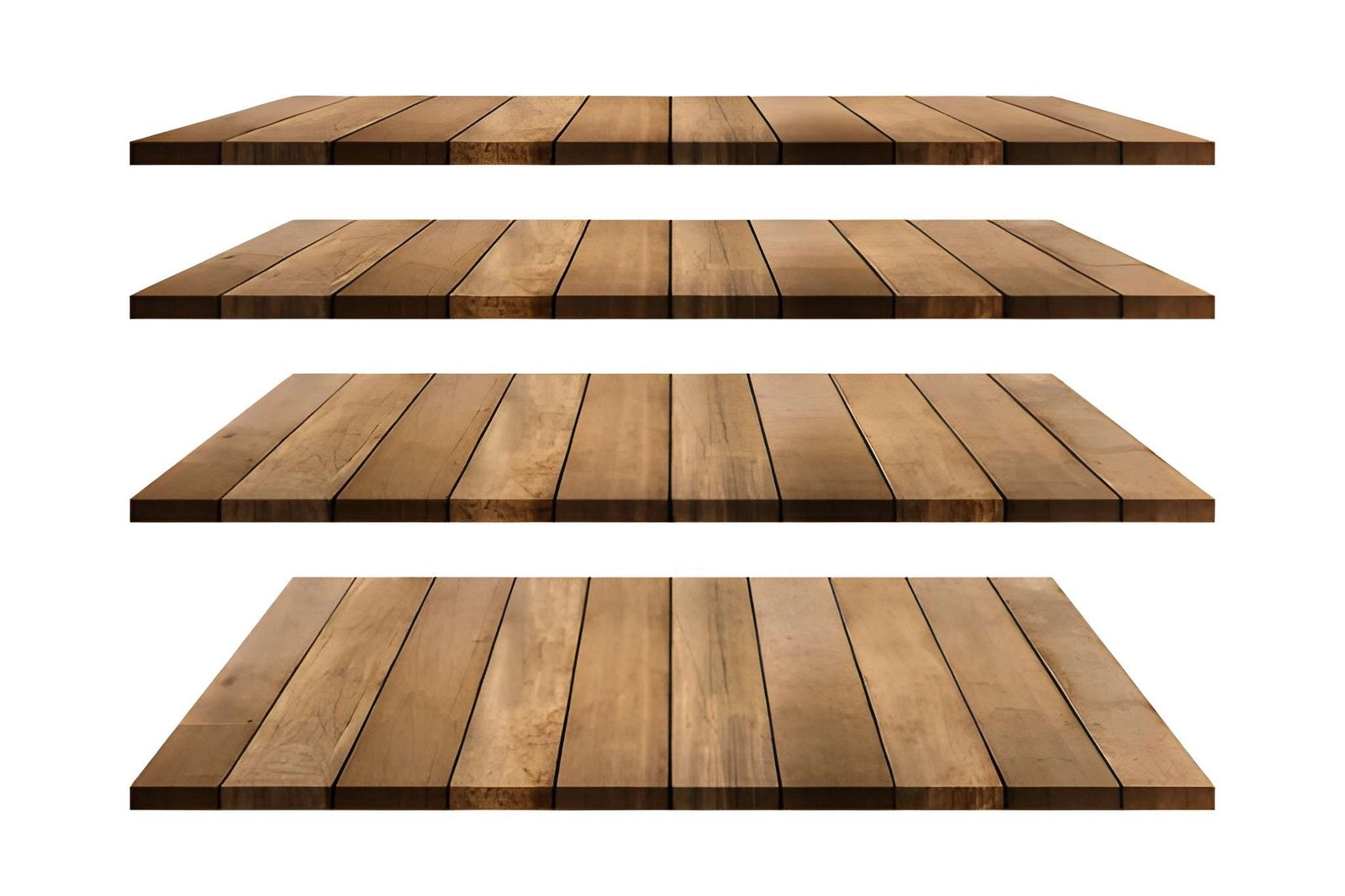
Surface boards are what you see and feel every day. For instance, we install Trex, TimberTech, PVC, pressure-treated pine, and cedar.
Each material gets the correct fastening method and board spacing for drainage and thermal expansion. Improper spacing otherwise leads to cupping, squeaking, and premature board failure. Our installations therefore follow manufacturer specifications to preserve full warranty coverage.
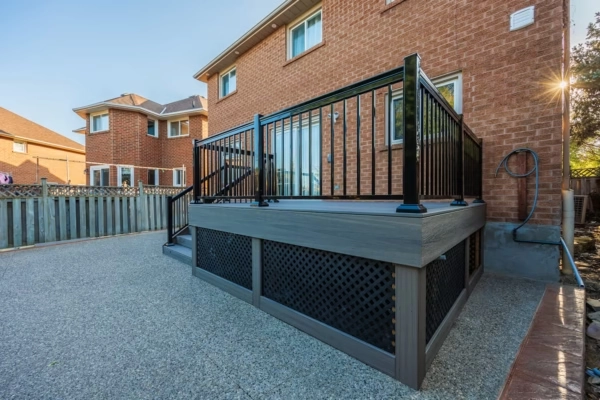
Railings are both a safety requirement and a primary aesthetic element. Our deck railing construction covers cable railing, composite baluster systems, aluminum railing, glass panel railing, and traditional wood.
Every system is securely anchored. Lower decks get 36-inch railings; higher decks get 42-inch. Post bases are specified so they will not loosen over time under lateral load.
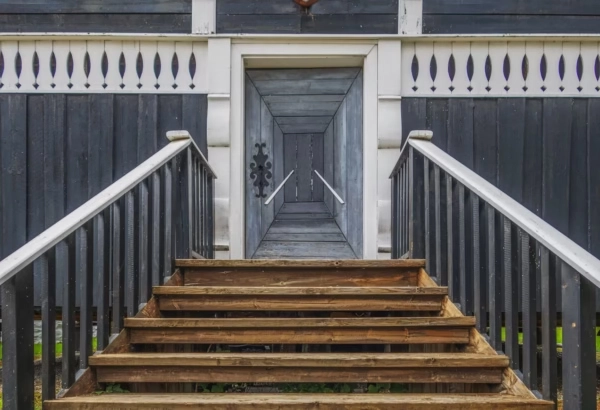
We build stairs to a safe riser height (around 7¾ inches max), tread depth (around 10 inches min), and continuous handrails. Beyond that, we build stairs that feel natural to walk and drain properly — plenty of stairs are technically fine and still feel awkward in real life.
Deck railing construction is one of the most commonly done-wrong elements on built decks in San Antonio. Here is how to construct deck railing that holds up and meets code.
Railing posts must be anchored to the deck framing, not just the decking surface, using approved post base hardware. Surface-mounted posts fastened only through the decking board will fail under lateral load. Consequently, we anchor every post to the joist or rim board below.
Lower decks (30 inches or less above grade) get 36-inch railings; anything higher gets 42-inch. We measure finished deck height before specifying railing height, rather than after.
We space balusters so a 4-inch sphere cannot pass through. On cable railing, tension holds deflection to 7 inches or less between posts. We test every run at installation and again before we close out the project.
Railing materials should be compatible with the decking surface. Composite railing suits composite decks, for example, while aluminum or cable suits PVC. Wood railing works only where the maintenance commitment is understood. Mismatched materials otherwise create warranty gaps and visual inconsistency.
Handrails on stairs must be continuous and graspable. A flat 2×4 on edge, for instance, is not truly graspable. So we install proper graspable handrail profiles on every stair run.
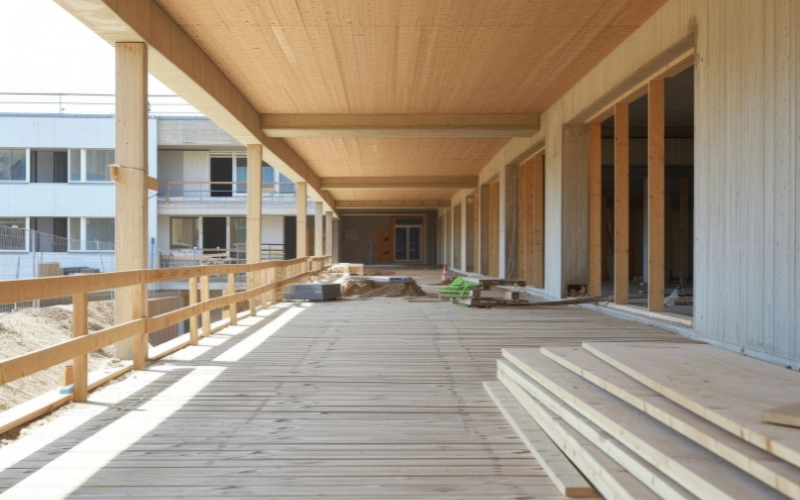
Ground level deck construction sits typically less than 30 inches above grade. It is also the most common project type we handle in San Antonio.
A lower profile means simpler framing and lower material costs. Even so, we build these decks with proper drainage clearance below the joists and cross-ventilation to prevent moisture buildup. Budget contractors usually skip that detail, and homeowners pay for it years later in rot repair.
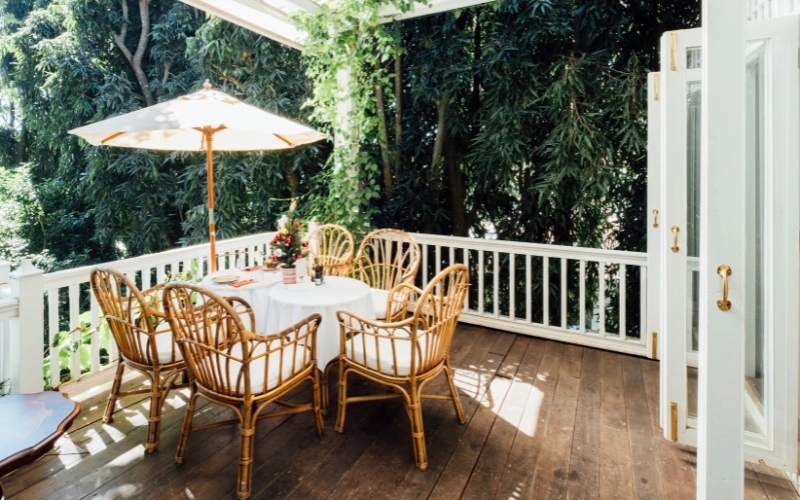
Elevated decks, in contrast, require engineered footings, properly sized beams, and lateral bracing for wind resistance. Multi-level builds then add complexity in how platforms connect and how stairs integrate.
These are the most structurally demanding constructed decks we build. For that reason, cutting corners on deck construction parts here creates the earliest failures.
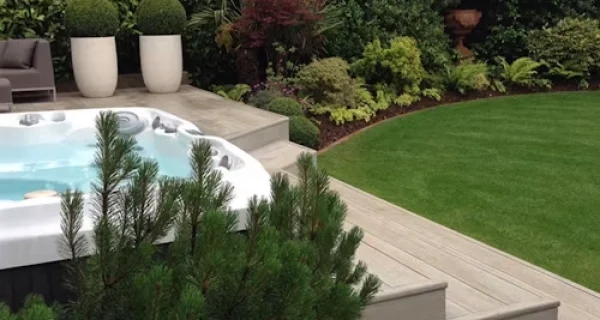
Above ground pool deck construction means building a platform at pool entry height. Typically, the design includes wraparound access, a slip-resistant surface, drainage slope away from the pool, and equipment access panels.
We use PVC or composite decking on all pool-adjacent surfaces rather than pressure-treated wood. That way, constant moisture will not cause warping, splintering, or chemical leaching near the water.
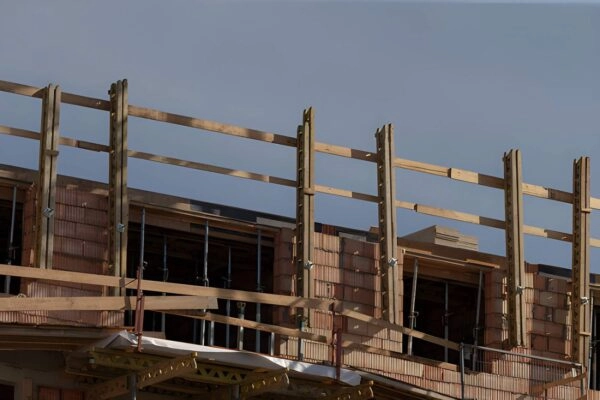
Steel frame deck construction is the choice when the structure should genuinely outlast the surface material. Powder-coated steel framing does not rot, feed pests, or demand the ongoing maintenance wood requires.
It does cost more upfront. However, it pays back in dramatically lower lifetime maintenance costs.
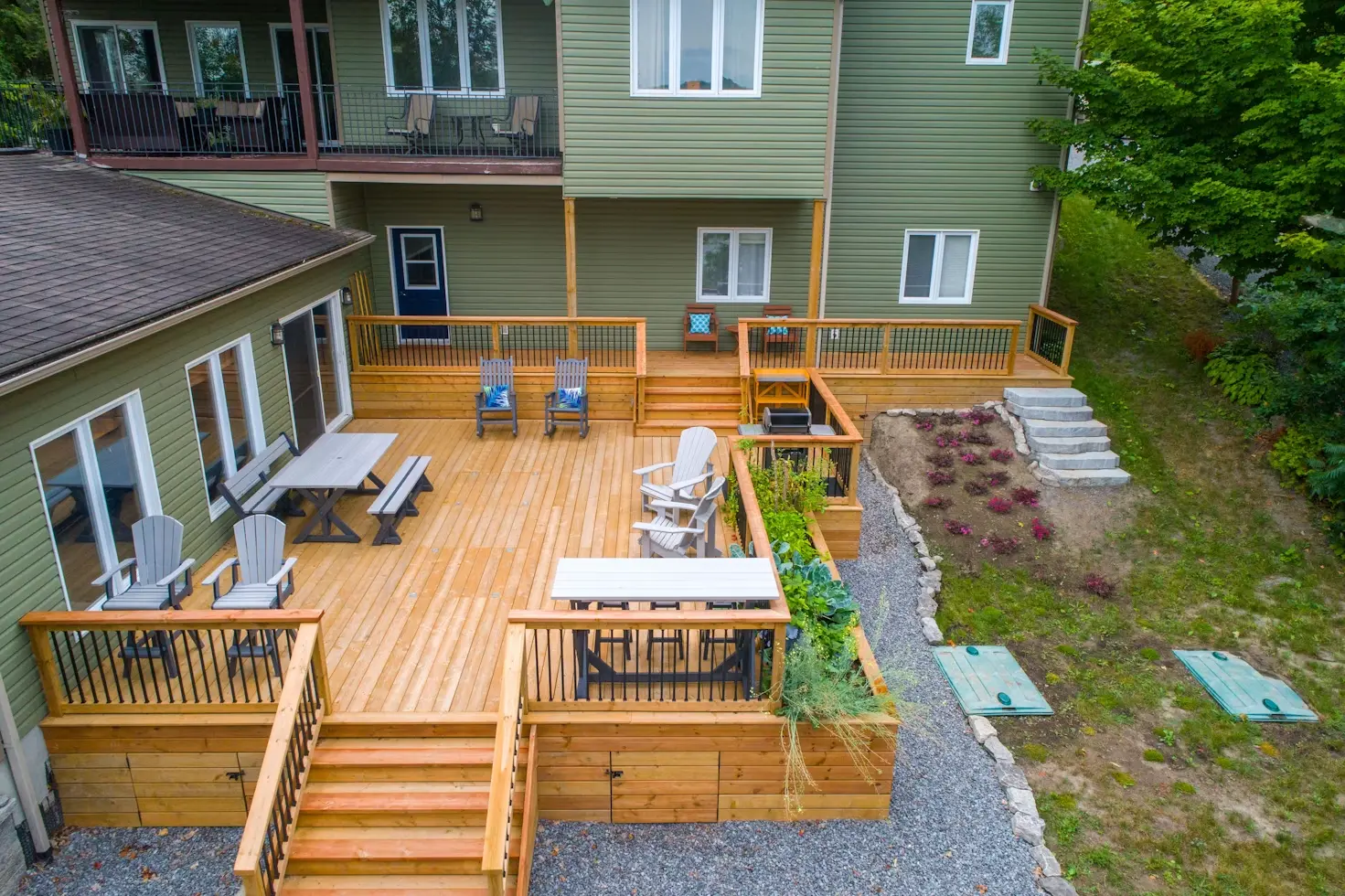
Attached decks connect to the home via a ledger board and draw partial support from the house. Freestanding decks are entirely self-supported.
Freestanding is the right choice when ledger attachment is not structurally feasible, or when the deck sits away from the house.
First, we visit your property, walk the yard, evaluate soil and grade conditions, and discuss goals and budget. That way, site-specific challenges are identified before the design begins, not after footings are poured.
You receive a plan-view sketch, a written scope of work covering all deck construction parts and materials, and a fixed-price quote. In short, the number you sign is the number you pay.
We mark the layout, excavate footing locations, and pour concrete piers to the required depth for San Antonio’s clay soil. On attached decks, the ledger board goes in next with proper flashing.
Beams, posts, joists, and blocking go up using pressure-treated lumber or steel framing, with galvanized hardware throughout.
Surface boards are installed with proper spacing and fastening. Deck railing construction and stair installation follow. Finally, a check covers all heights, baluster spacing, and handrail continuity.
We walk the finished deck with you, review care instructions, and hand over warranty documentation for all installed materials.
We build constructed decks throughout the greater San Antonio metro and the surrounding Hill Country.
Primary Service Area: San Antonio, TX
Surrounding Communities: Stone Oak · Alamo Heights · Helotes · Schertz · Cibolo · Universal City · Converse · Boerne · Bulverde · New Braunfels · Canyon Lake · Lake Medina · Bandera
Same crew, same standards, same fixed-price process everywhere we work.
San Antonio has no shortage of contractors willing to build a deck. Harder to find, though, is a deck construction company that has built here for nearly two decades and puts the price in writing first
Ask about footing depth and diameter, ledger attachment method and flashing, joist spacing and span, hardware type, decking fastening method, and railing post anchoring. These are the deck construction parts that determine structural longevity. Notably, they are not the surface material, which is what most quotes lead with. A good deck construction company will answer all of these without hesitation.
Ground level deck construction typically costs 15–25% less than an equivalent elevated deck. That is because footings are simpler, framing spans are shorter, and no secondary lateral bracing is required. In fact, material choice often has a larger impact on cost than height alone. Your fixed-price quote breaks all of it down before any work begins.
The key is post anchoring. Railing posts must be anchored to the deck’s structural framing rather than the surface boards, using approved post base hardware. Surface-mounted posts fastened only through decking will loosen under repeated lateral force. We therefore anchor every post to the rim joist or blocking below, then torque-verify all connections before the project closes.
For homeowners staying long term, or building elevated decks where future framing access is difficult, yes. Steel frame deck construction eliminates the rot, pest, and moisture issues that eventually affect every wood-framed deck. The upfront premium typically pays back in avoided repair costs within 10–12 years.
A standard wraparound with a single access platform is a straightforward build; a more elaborate configuration with multiple levels, built-in seating, and lighting is a larger project. Either way, you get a clear schedule with your fixed-price quote.
Footing depth, hardware quality, ledger flashing, and joist spacing. None of these are glamorous. Still, they determine whether your deck looks the same in year 15 as it did in year 1. Of course, the visible choices — decking surface, railing style, stain color — matter for appearance. Structure, meanwhile, determines lifespan.
Yes. In addition, we work with approved lenders on most projects. Terms and monthly payment options are then discussed during your free consultation.
Maybe you are planning ground level deck construction or above ground pool deck construction. Perhaps you want a steel frame elevated build or a full outdoor living project. Either way, we have the experience, the crew, and the process to do it right the first time.
Call (210) 496-3325 or email info@paradisedecksandspas.com to schedule your free on-site consultation.