
Alamo Heights is one of San Antonio’s most architecturally distinctive communities. It is also one where a mismatched outdoor structure stands out immediately.
Paradise Decks & Spas designs and builds custom decks, screened porches, pergolas, and patio covers here. Our approach is built around architectural compatibility, efficient use of smaller urban lots, and craftsmanship that belongs beside homes standing 60 or 80 years.
By Rick Hogue, Founder & Lead Deck Specialist · Last Updated June 2026
Alamo Heights sits inside its own city limits. It is a small, independent municipality entirely surrounded by San Antonio.
The community holds some of the most architecturally varied residential properties in the metro area. You will find Tudor Revival homes on Arcadia Place and mid-century modern ranches along Broadway. Spanish Colonial Revival homes sit on Cambridge Oval, while Craftsman bungalows fill the Broadway corridor neighborhoods.
As a result, each architectural style carries its own design language. Outdoor structures need to reflect that language to look like they belong.
A contemporary aluminum pergola on a Tudor Revival home creates visual conflict. Likewise, a heavy Craftsman timber structure on a mid-century ranch looks out of place. Getting compatibility right therefore takes careful design. Contractors who build the same structure on every property rarely provide it.
So we approach every Alamo Heights project with the home’s architectural character as the first design consideration. That comes before square footage, material budget, or any standard construction detail. Ultimately, the structure should complement the home rather than compete with it.
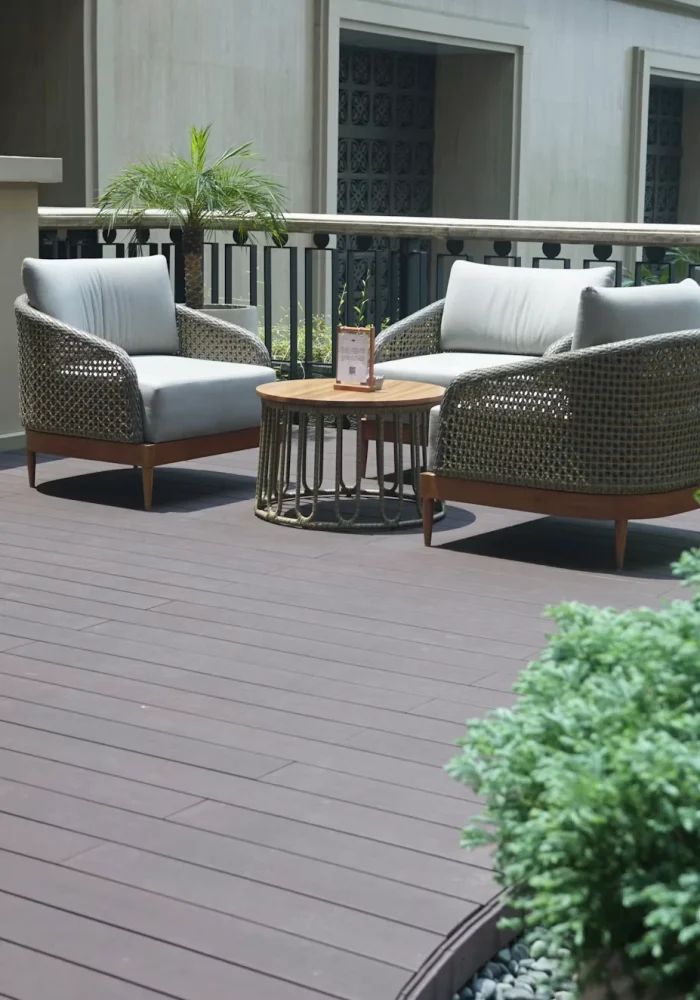
Alamo Heights lots are significantly smaller than suburban lots in Stone Oak, Boerne, or Bulverde. Most are also fully developed, with mature landscaping, established hardscape, and existing structures. Consequently, there is limited room for additions. Designs here require precision.
No two Alamo Heights homes share the same architectural style. Therefore, no two outdoor structures should look the same.
We do not use a standard deck detail here. Instead, we evaluate roofline pitch, exterior materials, trim profile, window and door proportions, and overall massing. Only then do we design a structure that complements those features.
The result feels like part of the original home, not something added later from a catalog.
Alamo Heights is one of San Antonio’s most heavily canopied communities. Live oaks, pecans, and cedar elms line the streets and fill many backyards.
These trees are valuable assets. They are also significant design constraints.
We design deck and patio structures around established root zones. Surface roots are protected during excavation. Where possible, structures go where existing shade already improves the space.
Losing a mature live oak to careless construction is irreversible. For that reason, we treat every established tree as a design element worth preserving.
Small lots and close neighbors make privacy an important consideration here.
Decks, pergolas, and patio structures include appropriate screening. Options include lattice panels, privacy screens, and strategic pergola placement. Together, these create a comfortable outdoor environment without intruding visually on neighboring properties.
Paradise Decks & Spas is a true single-source contractor for outdoor projects in Alamo Heights. From the first design sketch to the final walkthrough, one team handles the entire project.
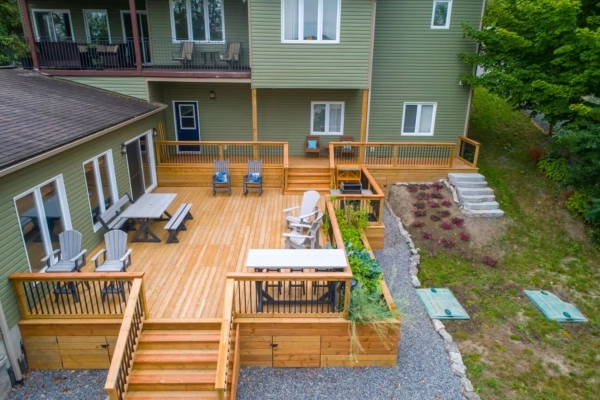
Custom decks here are designed around the home’s specific architectural character — Craftsman timber details for bungalows, clean contemporary lines for mid-century homes, stucco-compatible finishes for Spanish Colonial properties — and built in composite or wood depending on the architectural fit, with every deck sized for the lot rather than defaulting to a standard square footage.
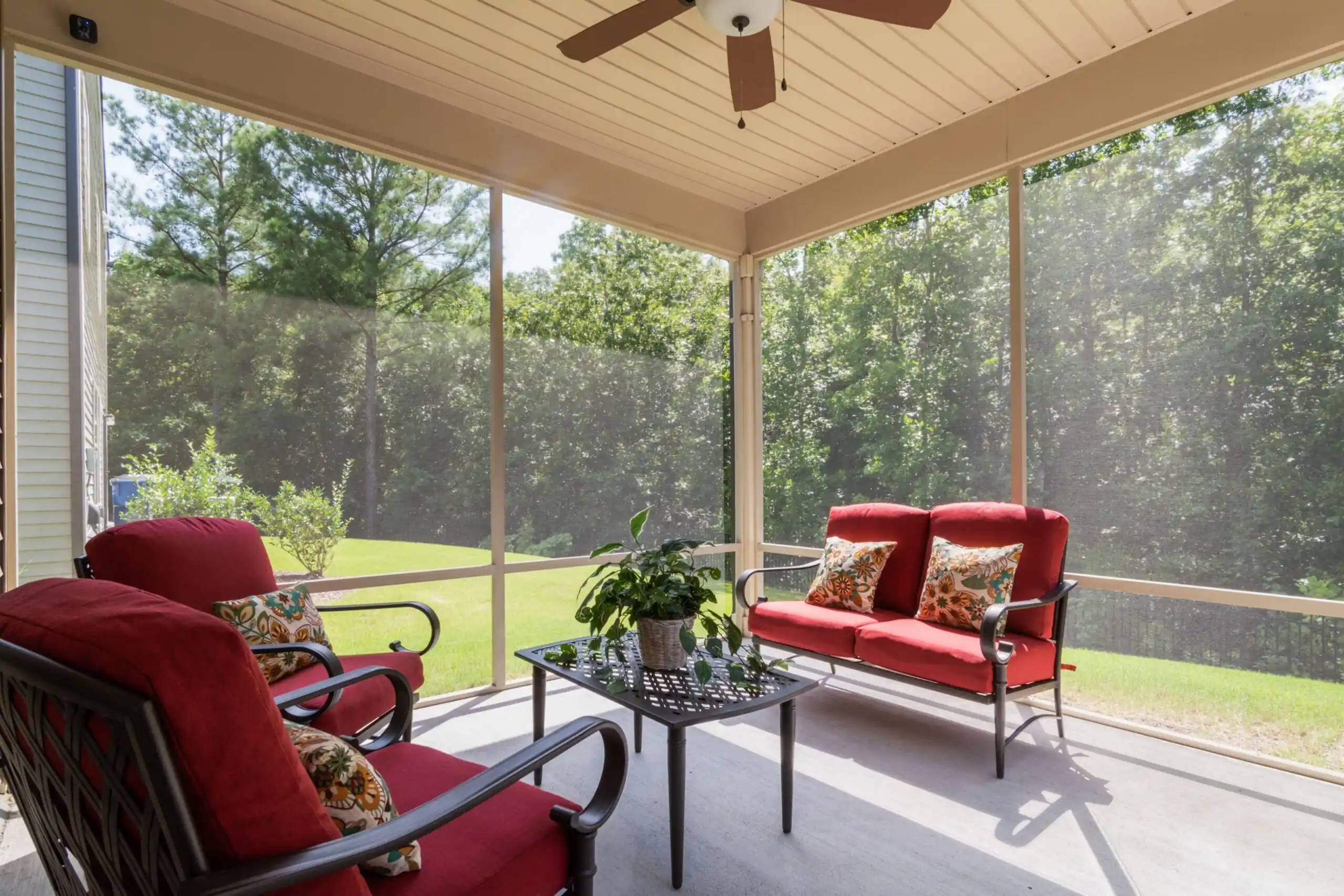
Screened porches are among the most popular additions in Alamo Heights — they suit the community’s established character, deliver bug-free outdoor living, and work on lots too tight for a larger deck or pergola. Because we match the existing roofline pitch and fascia profile, the porch reads as a natural extension of the home, like it was always there.
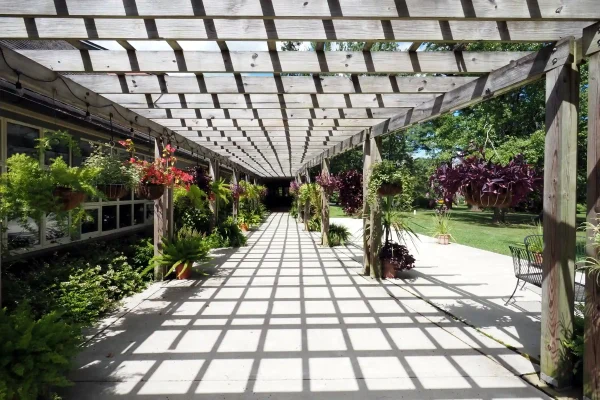
Pergolas work best when proportioned and detailed to match the home’s style — cedar timber for Craftsman and traditional homes, clean aluminum for contemporary and transitional properties, and custom-profile wood where a home needs a unique architectural match. We calculate post sizing, beam depth, and rafter spacing so the result looks proportionate rather than merely structurally sound.
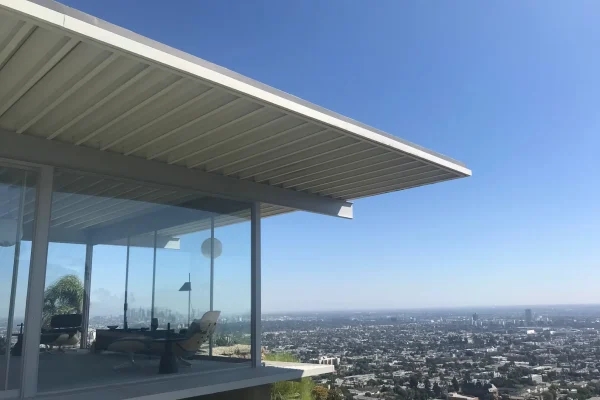
Some homeowners want full weather protection — a covered room that holds up during an afternoon thunderstorm — so we install solid roof patio covers that tie into the existing roofline with matched pitch, fascia profile, and roofing material. Roofline integration is more complex here than on a newer subdivision home, since existing rooflines vary so much, so we evaluate each one individually before designing the connection.
Many Alamo Heights homes already have decks — some well built, others put up decades ago and now showing their age. Whether it needs board replacement, structural reinforcement, railing upgrades, re-staining, or waterproofing, we restore the deck to a standard that suits the neighborhood.
Prefer a ground-level surface to a raised deck? We install stamped concrete patios and custom hardscape that work well beside back doors, courtyards, and outdoor seating areas — and we select finishes that complement the existing exterior, with flagstone patterns pairing naturally with the limestone and stucco common in Alamo Heights architecture.
Architectural compatibility comes down to specific details most deck contractors overlook. Below are the five we check on every project.
Attached patio covers and screened porches should match or complement the home’s existing roof pitch. A home with a 6:12 pitch, for example, can look out of proportion beside a 4:12 patio cover. We therefore measure the existing roofline before designing any attached structure.
A 4×4 post on a Tudor Revival home with heavy timber character often looks undersized. A 6×6 or 8×8 timber post creates better visual balance instead. So we size posts for visual weight as well as structural requirements, since those two figures rarely match.
The fascia on an attached pergola or patio cover should match the home’s existing fascia in material, width, and finish. Consequently, we measure the existing fascia before specifying trim for anything new.
Cedar and stained wood pair naturally with Craftsman, Tudor, and traditional homes. Composite and aluminum, meanwhile, work better with contemporary and transitional styles. We recommend materials on architectural compatibility as well as maintenance preference.
Stain and paint colors should come from the home’s existing exterior palette rather than being chosen independently. For that reason, we evaluate exterior colors before finalizing the finish on any structural element.
Our service area covers the full city of Alamo Heights plus adjacent inner-loop communities. That includes Terrell Hills, Olmos Park, Mahncke Park, Monte Vista, and the Broadway corridor neighborhoods. In addition, we serve the broader San Antonio metro area.
It starts with studying the home before drawing anything. We look at roofline pitch, exterior material, trim profile, window proportions, and overall massing. Those observations then become the constraints for the design.
In practice, that means post sizing for visual weight, beam depth for proportion, material selection for compatibility, and a finish color pulled from the existing exterior palette. The goal is a structure that feels like it belongs to the home, rather than one added by someone who never looked closely.
Yes, and it is one of our most common design challenges here. Small lot design is about defining zones rather than maximizing square footage.
A well-designed 200 sq ft deck with built-in seating, appropriate railing, and a proportional shade element feels complete and intentional. So we design to the specific dimensions of the space and the scale of the home, instead of defaulting to a size that crowds the lot.
We identify every significant tree during the site visit, then lay out the structure to avoid encroaching on root zones. Typically that means staying outside the tree’s drip line.
During construction, protection barriers go up around root zones before any excavation. Near surface roots, we hand-dig rather than using mechanical equipment. We also avoid soil compaction inside protected areas. A live oak that took 50 years to grow is worth designing around.
Craftsman architecture pairs naturally with exposed timber construction. Think visible beam ends, rafter tails with a slight profile, and post bases with a tapered detail. Cedar is the preferred material, since its warm grain complements the home’s wood-forward aesthetic.
For railings, horizontal wood rails or simple vertical balusters read more authentically Craftsman than cable or aluminum. Still, cable railing works well where the homeowner wants a more contemporary feel. We discuss architectural fit during the consultation using real material samples and design references.
Maybe you need a deck designed around a Craftsman bungalow. Perhaps you want a screened porch that matches your roofline, or a pergola scaled correctly for an urban lot. Either way, we will design it to fit your home’s character and build it to last.
Call (210) 496-3325 or email info@paradisedecksandspas.com to schedule your free on-site consultation. Alternatively,