
(210) 496-3325
A patio enclosure turns your existing outdoor space into a fully protected room — usable in rain, wind, and the hottest San Antonio afternoons, without giving up the connection to the outdoors that makes a patio worth having in the first place. Paradise Decks & Spas designs and installs custom patio enclosures across San Antonio and surrounding communities, from glass and vinyl panel systems to motorized retractable enclosures.
By Rick Hogue, Founder & Lead Deck Specialist · Last Updated June 2026
San Antonio’s outdoor living potential is enormous — but it comes with real limitations. Mosquitoes make evenings miserable from April through October. Summer heat turns an open patio into an unusable space for hours at a time. Sudden afternoon storms end gatherings without warning. And for homeowners who want to use their outdoor space as a true extension of their interior living area, none of those conditions are acceptable.
A patio enclosure solves all three problems simultaneously. It keeps insects out while maintaining airflow. It provides weather protection without eliminating the outdoor feel. And it creates a transition space — part interior, part exterior — that San Antonio homeowners consistently describe as the most-used area of their home after installation.
As a full-service outdoor living company with 19+ years of completed projects in San Antonio and surrounding communities, Paradise Decks & Spas builds custom patio enclosures that work for your specific space, your usage goals, and your home’s architecture — not a prefabricated kit adapted to fit.
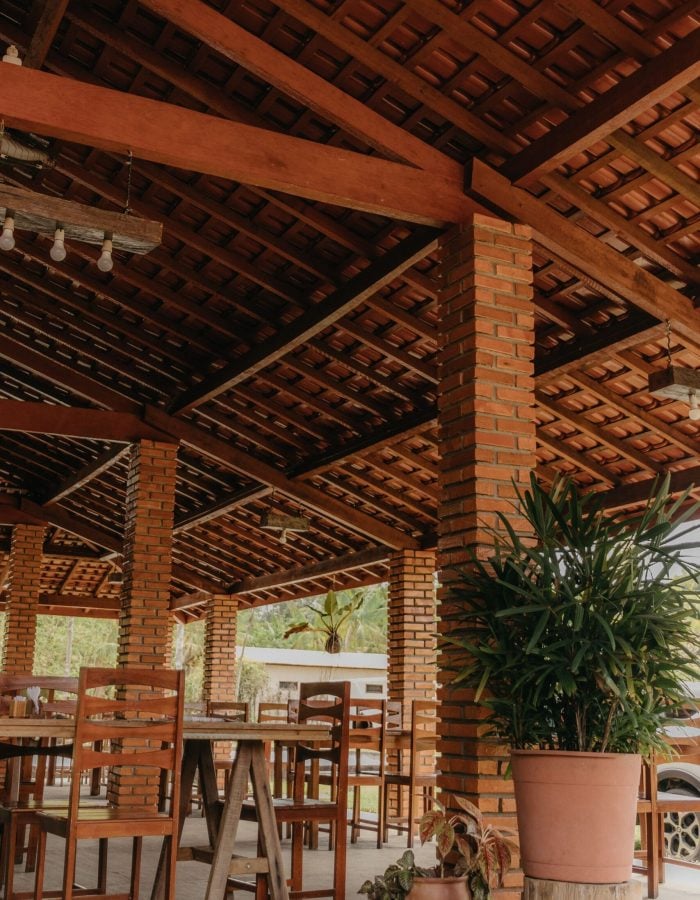
These two terms are often used interchangeably but describe meaningfully different structures. Understanding the difference helps you choose the right solution for your goals.
A screen room uses aluminum framing with standard insect screening — it keeps bugs out, allows full airflow, and provides some protection from debris. Screen rooms do not block rain, wind, or significant heat. They’re the right choice for homeowners whose primary goal is insect protection while maintaining an open-air feel. We cover screen rooms on their own dedicated page.
A patio enclosure goes further — using glass panels, vinyl panels, or motorized retractable screen systems that can be closed against rain, wind, and cold and opened when the weather cooperates. Patio enclosures create a functional three-season or four-season room that operates independently of outside weather conditions. They’re the right choice for homeowners who want a space that’s genuinely usable regardless of what the weather is doing outside.
If your primary goal is bug protection and airflow — screen room. If your goal is weather protection, year-round usability, and a true indoor-outdoor living space — patio enclosure.
Not all patio enclosure projects are the same. Here are the most common patio enclosure styles our San Antonio clients choose — and how we design and build each one.
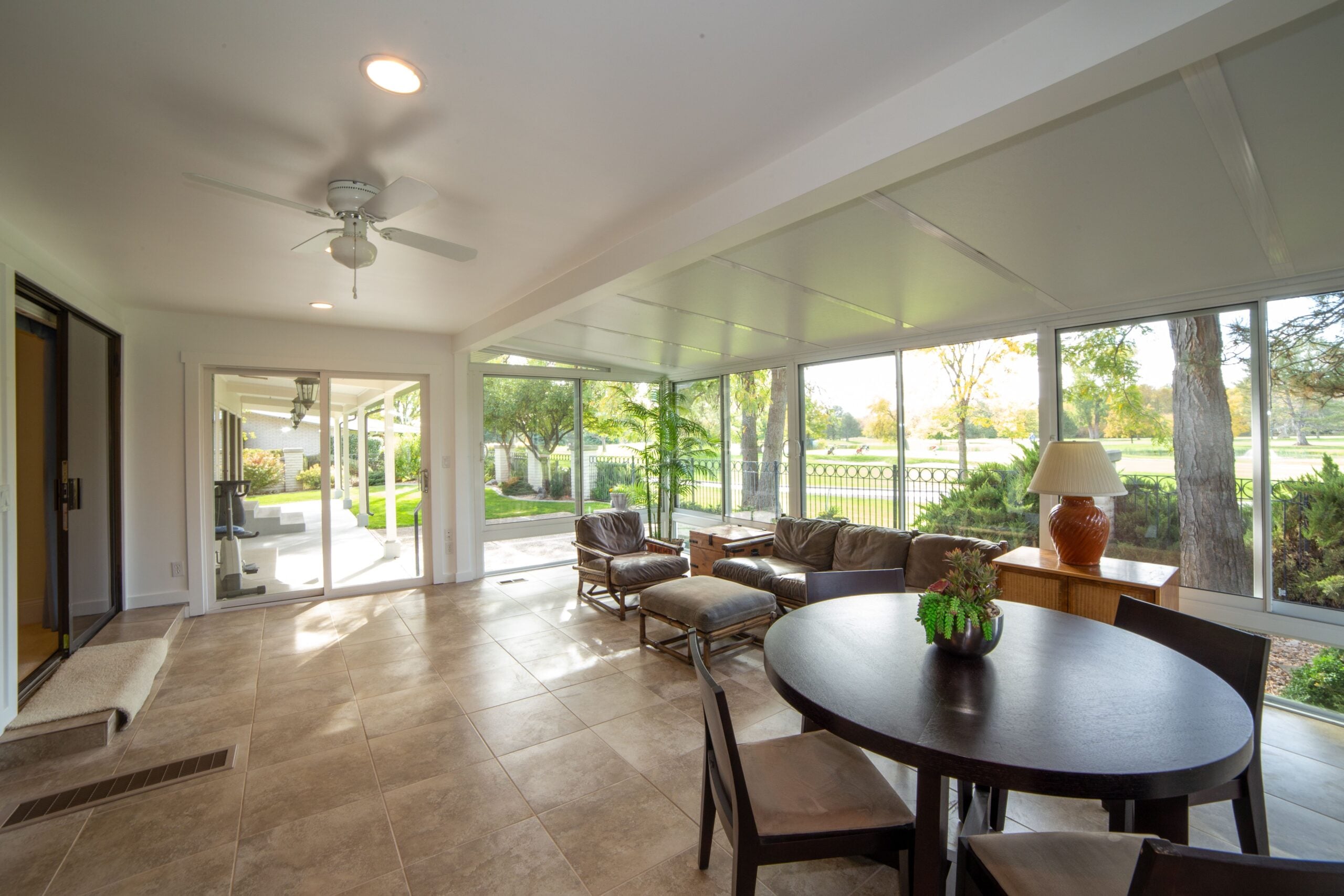
A glass patio enclosure uses aluminum-framed glass panels — fixed, sliding, or folding — to fully enclose the patio space while maintaining clear sightlines to the yard and landscape. Glass enclosures are the most premium patio enclosure option and the one that most closely approximates an interior room in terms of weather protection and visual finish. They’re the right choice for homeowners who want maximum natural light, an unobstructed view of their backyard, and a space that can genuinely function as a sunroom or dining room year-round.
Glass panel systems are available in single-pane, insulated double-pane, and low-E glass options — each with different thermal performance and cost profiles. In San Antonio’s climate, low-E glass that reduces solar heat gain is the most practical choice for south and west-facing enclosures.
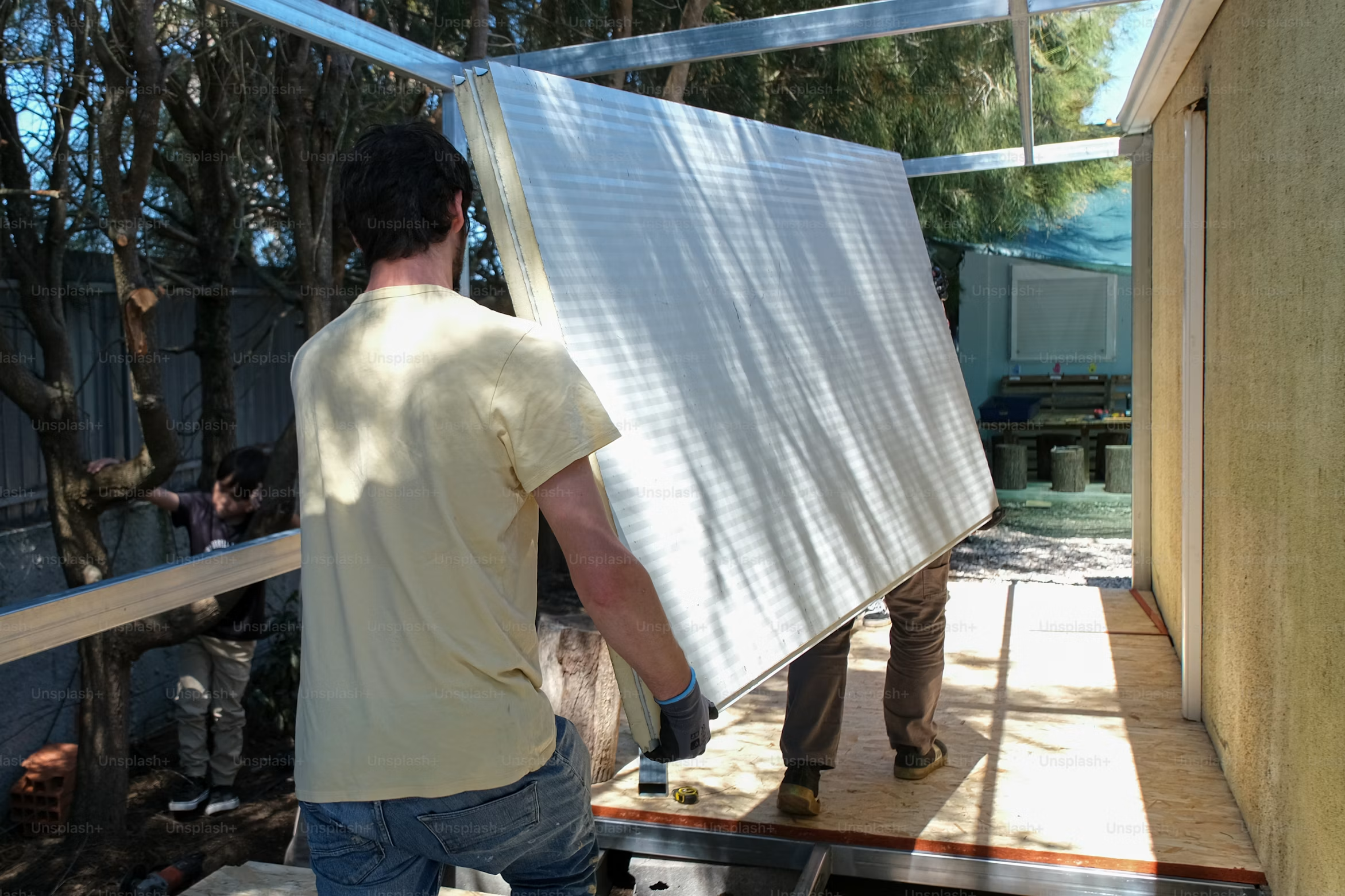
Vinyl panel enclosures use clear or tinted vinyl panels in an aluminum track system — panels can be slid open for ventilation or closed for weather protection. Vinyl enclosures offer most of the weather protection of glass at a lower material cost and with the ability to partially or fully open the space on nice days. They’re a practical mid-range option for homeowners who want flexible weather protection without the full investment of a glass enclosure.
Vinyl panels require periodic cleaning and eventual replacement as they yellow with UV exposure over time — typically 10–15 years in San Antonio’s high-UV environment. We specify UV-stabilized vinyl materials to extend panel lifespan.
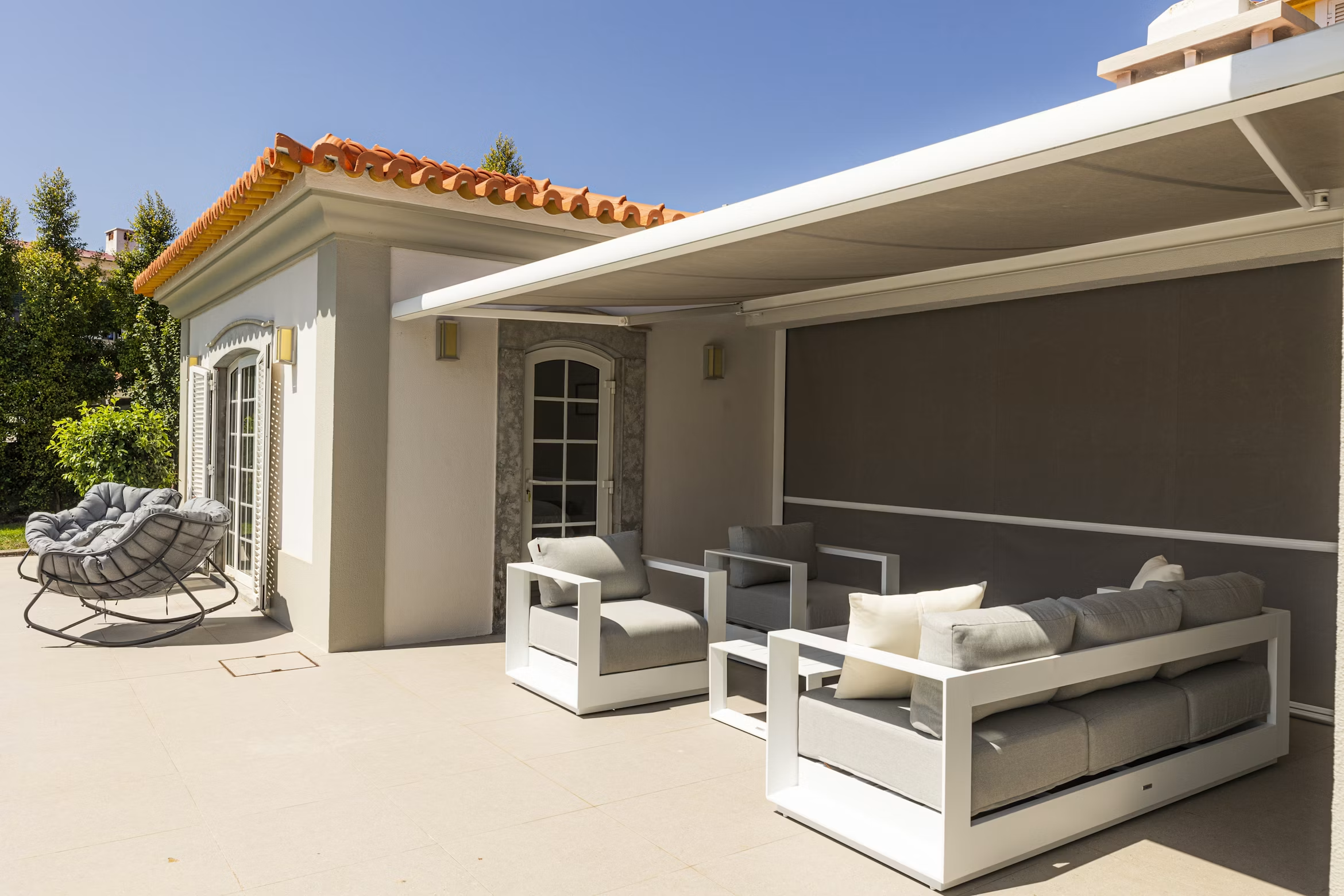
Motorized retractable enclosure systems use motorized screen panels — from standard insect screening to solar shades and solid privacy panels — that extend and retract at the touch of a button or via a smartphone app. When retracted, the patio is fully open. When extended, the panels provide insect protection, solar heat reduction, privacy, or light wind and rain protection depending on the screen material selected.
Motorized enclosures are the most flexible patio enclosure option — the space transitions from fully open to fully enclosed in seconds without any manual panel handling. They’re a particularly popular choice for larger patios where managing individual panels would be impractical and for homeowners who want the patio to function as both an open-air and enclosed space depending on the day.
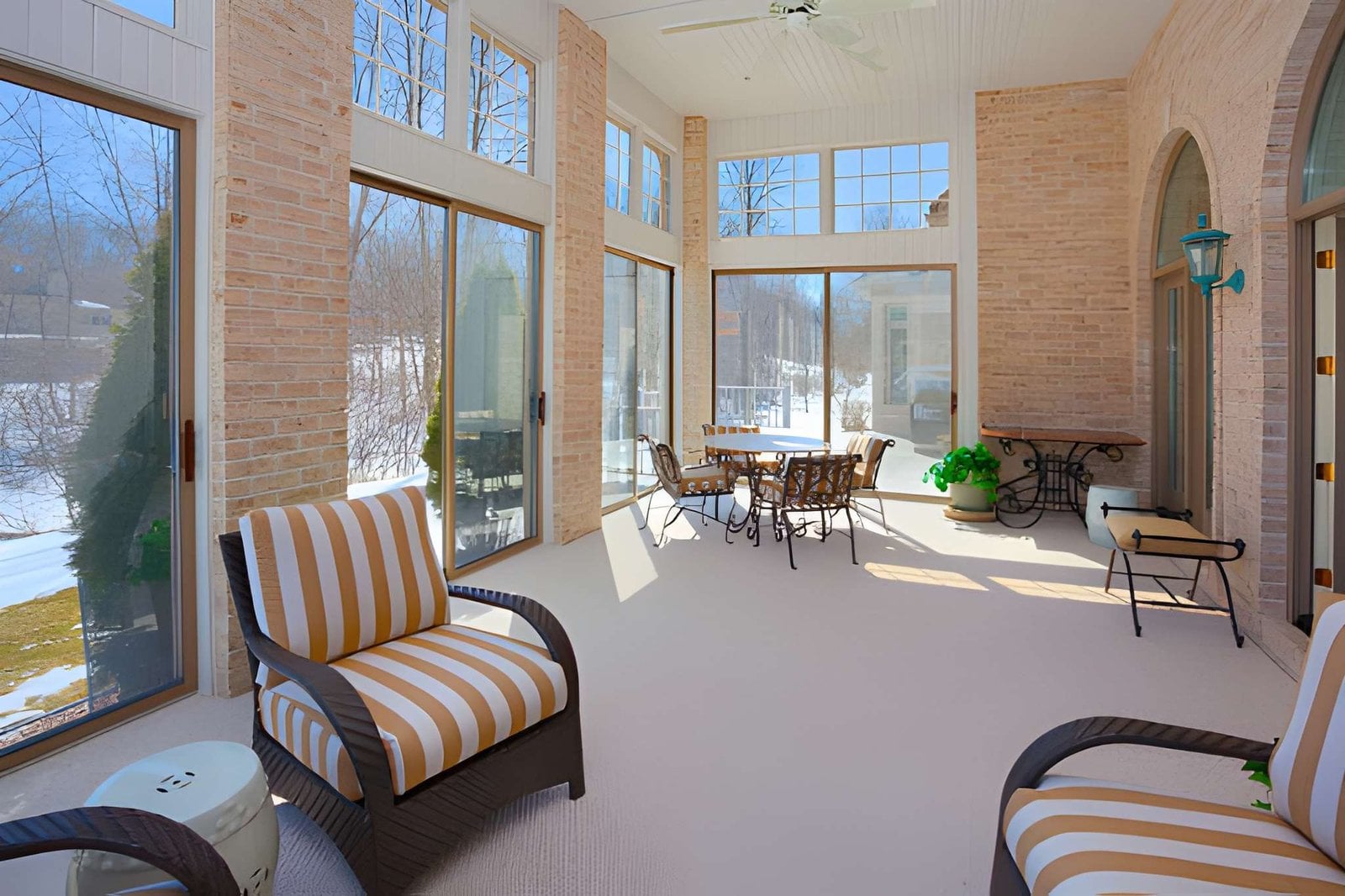
A three-season room is an enclosed patio space designed for use in spring, summer, and fall — with weather protection adequate for San Antonio’s conditions during those months but without the full insulation and HVAC connection of a four-season sunroom. Three-season enclosures typically use glass or vinyl panels with screened ventilation sections and a solid roof, creating a comfortable transition space between the interior of the home and the yard.
In San Antonio’s climate, a well-built three-season enclosure is genuinely usable roughly nine months of the year — the three months of peak summer heat being the exception unless the space is fitted with ceiling fans and a mini-split cooling unit. We design three-season rooms with the electrical rough-in for future cooling if the homeowner wants the option.
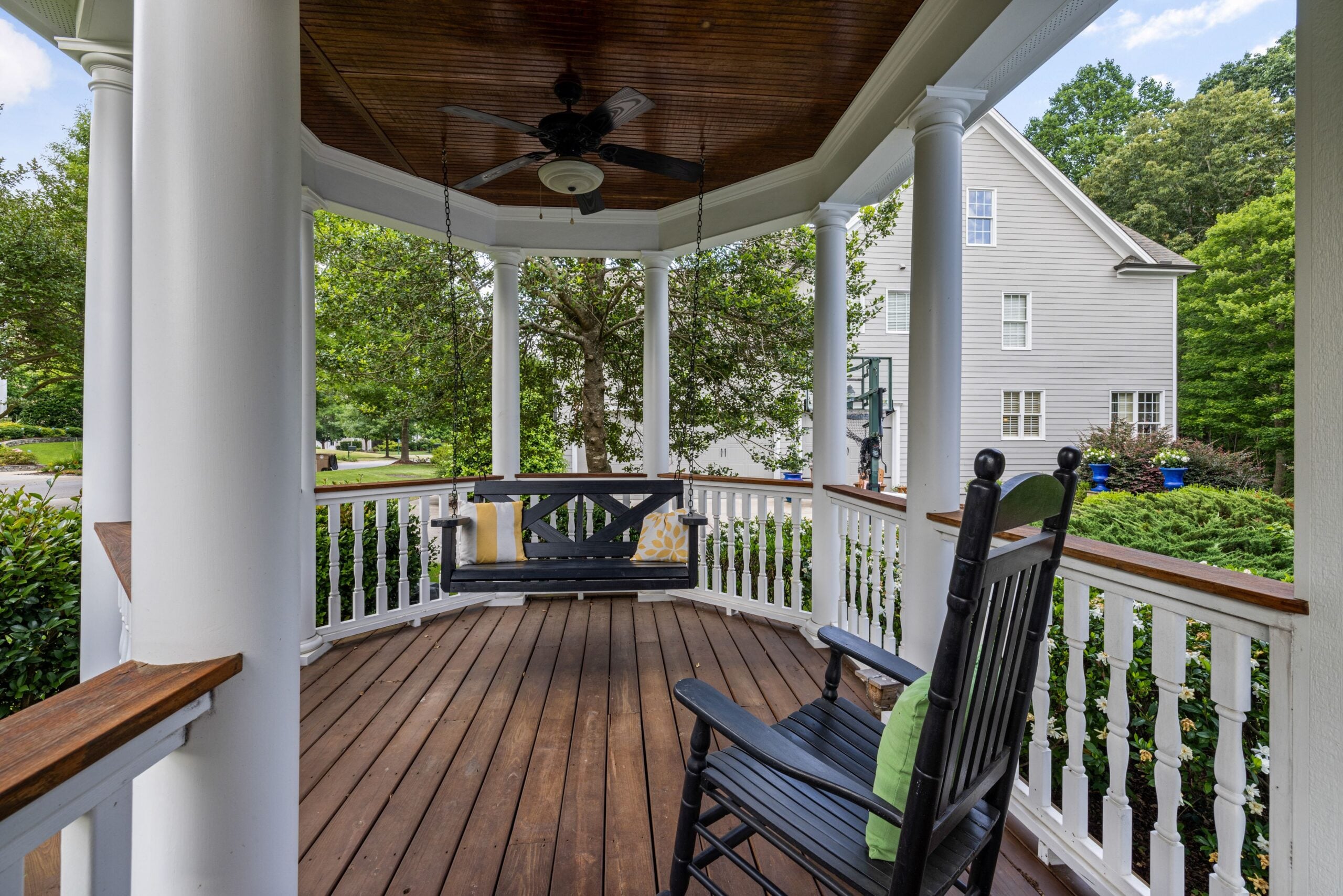
Patio enclosures can be built on an existing concrete slab patio, on an existing deck, or as part of a new combined deck-and-enclosure project. Building on an existing structure requires evaluating the foundation’s condition, levelness, and ability to support the enclosure’s framing. Building as part of a new project allows us to design the foundation, framing, and enclosure as a single cohesive system — the cleanest and most structurally sound result.
Mosquitoes and insects. San Antonio’s mosquito season runs from early spring through late fall. A patio enclosure eliminates the need for bug spray, citronella candles, and the constant swatting that makes outdoor dining frustrating. It’s the single most cited reason San Antonio homeowners pursue an enclosure project.
Afternoon heat. A shaded, enclosed patio with ceiling fans creates a space that’s comfortable on hot afternoons when an open patio is unusable. Adding a mini-split unit takes it further — a fully conditioned outdoor room usable even on 105°F August afternoons.
Summer thunderstorms. San Antonio’s afternoon storm season ends outdoor gatherings abruptly on open patios. An enclosed patio keeps the party going regardless of what’s happening outside.
Expanding usable square footage. A well-built glass or vinyl enclosure effectively adds a room to your home — one that’s not counted in conditioned square footage but functions like living space for most of the year. Many homeowners use enclosed patios as dining rooms, casual lounges, or playrooms.
Year-round outdoor connection. Many homeowners want the feeling of being outside — natural light, views of the yard, the sound of rain — without the physical exposure that comes with a truly open space. A glass enclosure delivers both simultaneously.
Step 1 — Free On-Site Consultation We visit your property, evaluate the existing patio or deck, and discuss your goals — weather protection level, view preservation, ventilation preferences, budget, and how you plan to use the enclosed space. We identify HOA and permit requirements for your address during this visit.
Step 2 — Design & System Selection We recommend the enclosure system that fits your goals — glass, vinyl, motorized, or a combination — and produce a design showing panel layout, framing, and how the enclosure integrates with your home’s exterior.
Step 3 — Fixed-Price Written Quote You receive a written scope of work and a fixed-price quote. The number you approve is the number you pay — no hourly billing, no surprises.
Step 4 — Permits (Where Required) Most patio enclosures in San Antonio require a building permit. We prepare drawings, submit to the City of San Antonio Development Services or your local jurisdiction, and handle all inspection scheduling.
Step 5 — Construction & Installation We install the framing, track systems, panels, and all hardware. Electrical for ceiling fans, lighting, and future mini-split rough-in is run during framing. Weather seals and threshold details are completed before final inspection.
Step 6 — Final Walkthrough We demonstrate panel operation, adjust all tracks and seals, and walk the completed enclosure with you before we call the job done.
Primary Service Area: San Antonio, TX
Surrounding Communities: Stone Oak · Alamo Heights · Helotes · Schertz · Cibolo · Universal City · Converse · Boerne · Bulverde · New Braunfels · Canyon Lake · Lake Medina · Bandera
A screen room uses standard insect screening — it keeps bugs out and allows full airflow but provides no rain, wind, or heat protection. A patio enclosure uses glass, vinyl, or motorized panels that can be closed against weather while maintaining views and light. If bug protection is your only goal, a screen room is the simpler and less expensive option. If you want weather protection and year-round usability, a patio enclosure is the right choice. We build both and will help you decide which fits your goals during the free consultation.
Yes, in most cases. Patio enclosures are treated as additions to the home’s living space by the City of San Antonio and most surrounding jurisdictions and therefore require a building permit. We verify permit requirements for your specific address, prepare all drawings, and handle the complete submittal and inspection process.
For maximum weather protection and long-term performance, a glass panel enclosure with low-E glass is the premium choice — it provides full weather protection while reducing solar heat gain on south and west-facing exposures. For flexibility between open and enclosed configurations, a motorized retractable system is the most practical option. For a mid-range budget with solid weather protection, vinyl panels in an aluminum track system perform well. We recommend the right system for your specific exposure, usage goals, and budget during the consultation.
Yes. We evaluate the existing deck’s structural condition and framing layout, confirm it can support the enclosure’s framing loads, and design the enclosure to integrate cleanly with both the deck and the home. If the existing deck needs reinforcement at the enclosure’s post locations, we include that in the quote.
Yes. We include electrical rough-in for a mini-split cooling unit in every patio enclosure installation — even if the homeowner isn’t installing cooling immediately. Adding a mini-split to a properly enclosed and wired patio space typically takes one to two days and transforms it into a fully conditioned room usable even during San Antonio’s peak summer heat.
A standard open-rafter pergola with 2×6 or 2×8 rafters spaced 12–16 inches apart provides approximately 50–70% shade coverage depending on the sun angle. For San Antonio’s high-summer sun position, the shade is most effective in morning and late afternoon — midday sun from nearly overhead passes more directly through open rafters. Adding a shade sail, polycarbonate panels, or a motorized louvered roof increases shade coverage to 85–100%. We discuss your shade expectations honestly during the consultation so the design matches your actual goals.
A standard patio enclosure installation on an existing slab or deck takes approximately 1–2 weeks once construction starts. Projects that include framing a new deck platform or significant structural work run 2–3 weeks. Permitting adds 1–3 weeks on the front end. We provide a written timeline with your quote.
Yes. A permitted, professionally built patio enclosure consistently adds value and marketability — it effectively adds usable square footage that buyers can immediately see the value of. Unpermitted enclosures create disclosure issues at resale. Every enclosure we build is properly permitted, protecting your investment.
Whether you want a glass enclosure for year-round living, a motorized retractable system for flexible use, or a vinyl panel enclosure for practical weather protection — Paradise Decks & Spas will design and build it to last in San Antonio’s climate.
Call (210) 496-3325 or email info@paradisedecksandspas.com to schedule your free on-site consultation. Or visit our showroom at 10615 Perrin Beitel, Suite 604, San Antonio, TX 78217 — open Monday–Friday 9 AM to 5 PM, Saturday 9 AM to 4 PM.