
(210) 496-3325
Cable railing is the most requested railing upgrade in San Antonio — and the reason is consistent: homeowners want their deck’s view to remain a view, not a wall of balusters. Paradise Decks & Spas designs and installs cable railing systems across San Antonio and surrounding communities — stainless steel cable, wood or metal post frames, code-compliant throughout — on new decks and as upgrades to existing structures.
By Rick Hogue, Founder & Lead Deck Specialist · Last Updated June 2026
Cable railing looks simple — horizontal stainless steel cables running between posts. The design is intentionally minimal. The engineering behind it is anything but.
Cable railing is one of the most commonly done-wrong railing systems in residential deck construction — specifically because it looks straightforward and because the code requirements that make it safe involve details that aren’t immediately visible. Post spacing, post anchoring method, cable tension values, terminal fitting hardware, and intermediate post requirements at corners and long runs all determine whether a cable railing system is genuinely safe or just aesthetically passes for one.
As a full-service deck construction company with 19+ years of completed projects in San Antonio, Paradise Decks & Spas builds cable railing systems to the structural and code standards the system requires — not just the visual standard. Every cable railing we install passes San Antonio’s building inspection because it’s engineered to, not because an inspector happened to miss something.
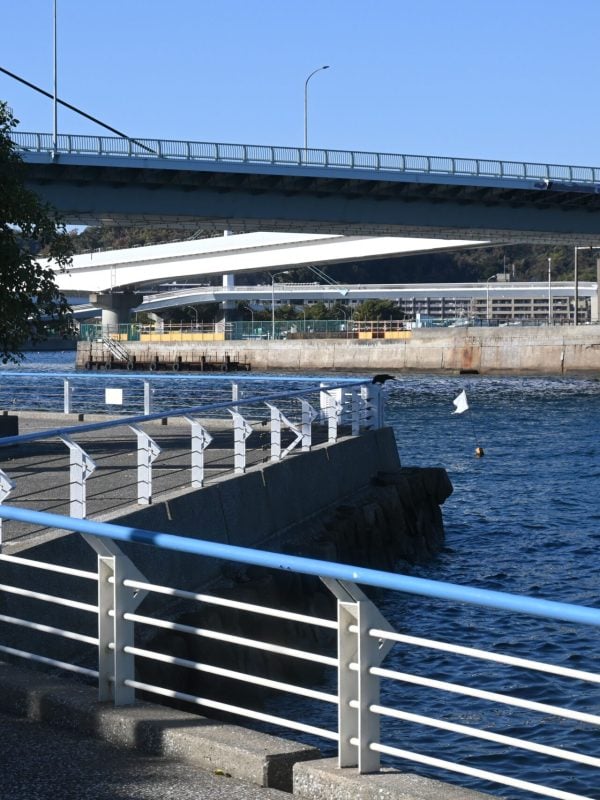
Cable railing has become the dominant modern railing choice in San Antonio for several specific reasons:
Unobstructed views. San Antonio homeowners with pool views, Hill Country views, or simply well-landscaped yards don’t want a wall of wood or composite balusters interrupting that view from the deck. Horizontal cable lines at 3-inch maximum spacing create a nearly transparent visual barrier — you see the yard, not the railing.
Modern aesthetic. Cable railing’s horizontal lines and minimal profile pair naturally with contemporary, transitional, and modern farmhouse home styles increasingly common in San Antonio’s newer developments and renovation projects. It reads as a deliberate design choice rather than a default selection.
Durability in San Antonio’s climate. Marine-grade 316 stainless steel cable — the specification we use on every installation — doesn’t rust, doesn’t require painting, and maintains its appearance through years of San Antonio’s UV exposure and humidity cycles. Wood balusters crack, split, and require periodic refinishing. Stainless cable doesn’t.
Long lifespan. A properly tensioned stainless steel cable railing system with quality terminal hardware has a service life measured in decades — well beyond the lifespan of most wood railing components in San Antonio’s outdoor environment.
Hill Country compatibility. Properties in Boerne, Bulverde, Helotes, and Canyon Lake consistently choose cable railing because the open sightlines align with the natural landscape setting — a wood baluster railing over a Hill Country view is a visual mismatch that cable avoids entirely.
Understanding the components helps homeowners evaluate quality differences between cable railing bids. Here’s what matters:
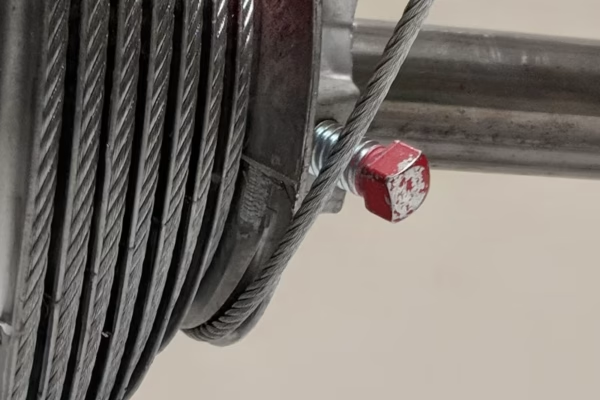
We specify 1×19 marine-grade 316 stainless steel cable — 1/8 inch diameter for residential deck applications. The 316 alloy designation indicates marine-grade corrosion resistance, the same specification used in coastal and marine environments. Lower-grade 304 stainless is sometimes used in budget installations — it performs adequately in dry climates but is more susceptible to surface rust staining in San Antonio’s humidity environment. We use 316 on every installation.
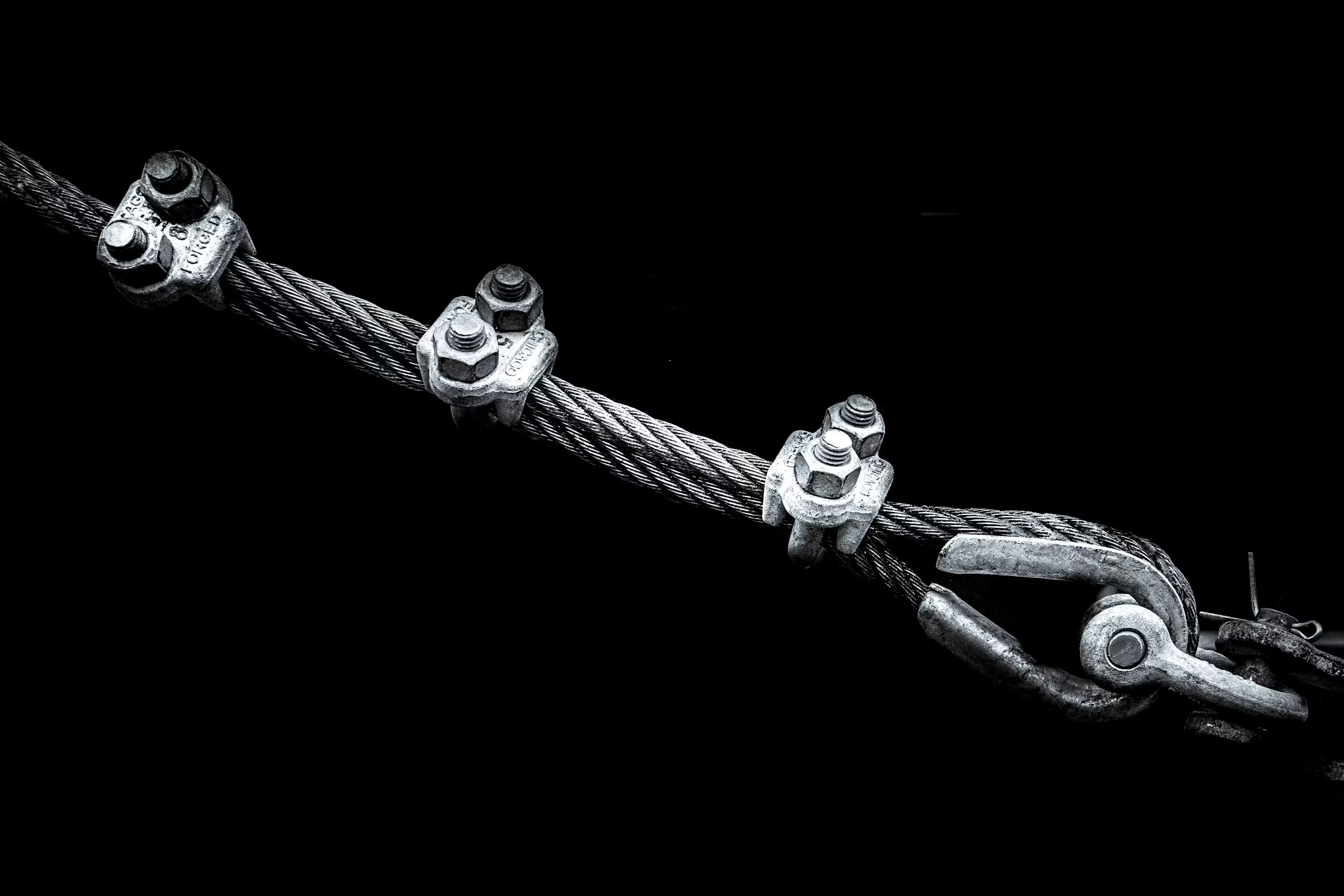
Terminal fittings anchor each cable run at the end posts and allow tension adjustment. Quality matters here — low-cost swaged fittings have lower pull-out strength than threaded-stud or lag-toggle style fittings and don’t allow field tension adjustment once installed. We use adjustable stainless steel terminal systems that allow cable tension to be set precisely at installation and re-tensioned in the field if the system settles over time.
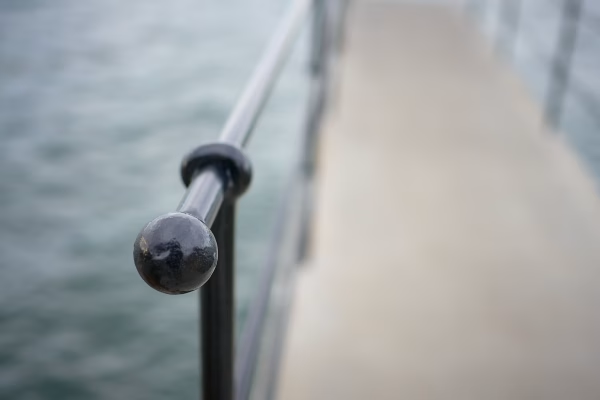
Post selection and anchoring is the single most important structural element in a cable railing system. Cable tension pulls horizontally against every post — end posts carry the full accumulated tension of each cable run, which on a long deck run can reach several hundred pounds of lateral force per post. Posts must be:
We engineer post sizing and spacing for each specific deck layout — end posts are always larger and more heavily anchored than intermediate posts because the load they carry is fundamentally different.
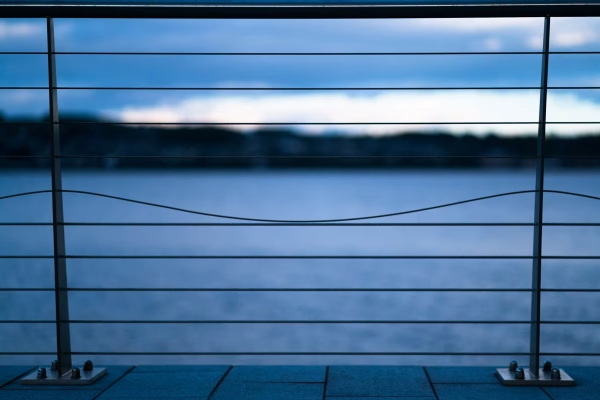
Cable railing posts are available in several materials, each with different aesthetic and structural characteristics:

The top rail provides a graspable surface, completes the visual frame of the railing system, and contributes to the overall stiffness of the run. Top rail options include wood (cedar or hardwood), composite, aluminum, and stainless steel — each with different maintenance profiles and visual effects. We match top rail material and profile to the overall deck design and material palette.
Cable railing in San Antonio must comply with the 2021 International Residential Code as adopted by the city. Key requirements that affect cable railing design specifically:
Railing height. Decks less than 30 inches above grade require a minimum 36-inch railing height. Decks 30 inches or more above grade require 42 inches minimum. We measure finished deck height at every project and set post heights accordingly before any cable is run.
Cable spacing — the 4-inch sphere rule. Balusters and infill elements must be spaced so a 4-inch sphere cannot pass through. For horizontal cable railing, this means cable spacing of no more than 3 inches on center — the dimension that prevents a child’s head from passing through the infill. We space every cable run to this requirement, verified before the system is tensioned.
Cable tension. San Antonio’s code requires that horizontal cable infill panels — when subjected to a 200-pound concentrated load at midspan — deflect no more than 4 inches. This translates to a minimum cable tension at installation and drives the post spacing and intermediate post requirements on long runs. We tension cables to a measured value, not by feel.
Intermediate posts on long runs. On horizontal cable runs exceeding certain lengths, intermediate posts are required to limit midspan cable deflection under load. Many budget cable railing installations skip intermediate posts on long runs to save material cost — creating a system that fails the deflection test and constitutes a code violation. We calculate intermediate post requirements for every run during the design phase.
Post anchoring. Posts must be anchored to structural framing — not surface-mounted to the decking surface. We anchor every post to the rim joist, blocking, or joist below the surface, using hardware rated for the lateral loads cable tension imposes.
Step 1 — Free On-Site Consultation We visit your property, walk the deck perimeter, and evaluate the project — new build post sizing or existing deck retrofit requirements, run lengths, corner configurations, post material preference, and top rail selection.
Step 2 — Design & Fixed-Price Quote We produce a railing layout showing post placement, run lengths, intermediate post locations, and top rail configuration. You receive a fixed-price written quote covering all materials and labor.
Step 3 — Permits (Where Required) We prepare permit drawings, submit to the City of San Antonio Development Services or your local jurisdiction, and handle all inspection scheduling.
Step 4 — Post Installation Posts are anchored to structural framing members — rim joist, blocking, or joist — using hardware rated for cable tension lateral loads. End posts receive additional anchoring appropriate for their higher load.
Step 5 — Cable Threading & Tensioning Cable runs are threaded through intermediate posts and terminated at end post fittings. Tension is set to the measured value required for code compliance at each run length, verified with a tension gauge.
Step 6 — Top Rail & Final Inspection Top rail is installed and finished. We verify all cable spacings meet the 3-inch maximum, all heights meet code, and all post anchors are torqued to specification before calling for inspection.
Primary Service Area: San Antonio, TX
Surrounding Communities: Stone Oak · Alamo Heights · Helotes · Schertz · Cibolo · Universal City · Converse · Boerne · Bulverde · New Braunfels · Canyon Lake · Lake Medina · Bandera
Yes — when properly designed and installed. Cable railing must meet the same height requirements as any other railing system (36 inches for decks under 30 inches above grade, 42 inches above) and must pass the 4-inch sphere rule for infill spacing (cables spaced 3 inches on center maximum). Cable tension must meet the deflection standard under a 200-pound midspan load. Intermediate posts are required on long runs to limit midspan deflection. We design every system to meet these requirements and confirm compliance at the city inspection.
Powder-coated steel posts are our most recommended option for San Antonio — slim profile that maximizes the cable railing’s open aesthetic, high strength for cable tension loads, and available in black, white, and bronze finishes that coordinate with modern and transitional home exteriors. For pool-adjacent applications where moisture contact is consistent, aluminum posts are the better choice. For craftsman or traditional home styles, cedar or composite-clad posts provide warmer character while still being properly sized for cable loads.
A properly tensioned cable railing system typically needs no adjustment for years after installation. Some tension loss in the first 6–12 months is normal as cables seat into their terminal fittings — we use adjustable terminals specifically to allow re-tensioning in the field if needed. San Antonio’s temperature cycling between winter and summer causes minor seasonal expansion and contraction; a properly designed system accommodates this without noticeable tension loss.
Horizontal cable runs — the standard configuration — are the most common and provide the open view characteristic of cable railing. Vertical cable configurations use the same cable and terminal hardware but run cables vertically between a bottom and top rail. Vertical cable provides a more traditional baluster look with some of the visual openness of cable. Horizontal cable is the configuration we install most frequently in San Antonio; vertical is available for specific design preferences.
Yes — when properly installed to code. The 3-inch maximum cable spacing prevents a child’s head from passing through the infill, which is the primary child safety concern the 4-inch sphere rule addresses. A properly tensioned horizontal cable system that passes the 200-pound midspan deflection test is structurally equivalent to a baluster railing in terms of containment strength. The horizontal cable orientation does create a climbing surface — something to consider for very young children — which can be mitigated with closer cable spacing or a supplemental horizontal rail at a lower height.
Yes — retrofit cable railing on existing decks is one of our most common projects. The process requires evaluating the existing structure’s ability to handle cable tension loads, replacing or reinforcing posts as needed, and installing the cable system to current code requirements. We evaluate the existing deck during the site visit and include all required structural work in the written quote before any work begins.
A standard cable railing installation on a new deck is completed as part of the overall deck build timeline. A retrofit cable railing project on an existing deck typically takes 2–4 working days depending on the deck’s perimeter, post count, and any structural reinforcement required. We provide a written timeline with your quote.
Whether you’re building a new deck and want cable railing designed in from the start, or you want to upgrade an existing deck’s railing to the cable look — Paradise Decks & Spas will design it, engineer it to code, and install it to last in San Antonio’s climate.
Call (210) 496-3325 or email info@paradisedecksandspas.com to schedule your free on-site consultation. Or visit our showroom at 10615 Perrin Beitel, Suite 604, San Antonio, TX 78217 — open Monday–Friday 9 AM to 5 PM, Saturday 9 AM to 4 PM.