
(210) 496-3325
Cable railing installation in Stone Oak, TX, makes more sense than almost anywhere else in San Antonio — and the reason is the terrain. Stone Oak’s rolling topography north of Loop 1604 creates elevated deck situations naturally, and when a deck sits 4 to 8 feet above grade overlooking a pool, a landscaped yard, or the distance toward the Hill Country, the last thing a homeowner wants is a wall of wood balusters closing off that sightline. Paradise Decks and Spas installs stainless cable deck railing in North San Antonio for homeowners who want the view their property is built for.
By Rick Hogue, Founder & Lead Deck Specialist · Last updated 24, June 2026
A+ BBB Rated Since 2006 · 19+ Years Serving Stone Oak & San Antonio · Code-Compliant Installs · HOA Documentation Handled
When clients ask what is cable railing, the answer is this: a railing system that replaces traditional wood or composite balusters with horizontal runs of stainless steel cable, stretched between vertical posts at 3-inch maximum spacing. The posts do the structural work. The cable provides the infill. The result is a railing that contains people safely, meets building code, and leaves the view intact.
Cable railing’s appeal in Stone Oak and the broader North San Antonio market comes down to three things that matter here specifically.
Elevated lots with views to protect. Neighborhoods along Hardy Oak Boulevard, Evans Road, Wilderness Oak, and the communities clustered near Stone Oak Parkway sit on gently rolling terrain where decks are routinely 4 to 8 feet above grade. That elevation creates views worth preserving. A traditional wood baluster railing installed at 42 inches tall on an elevated deck is essentially a privacy fence — it blocks the yard from the deck. Cable doesn’t.
HOA compatibility. Stone Oak’s active community associations — The Vineyard, Champions Ridge, Promontory Pointe, Sonterra, and others along the 1604 corridor — consistently approve cable railing because its slim profile and contemporary aesthetic align with the architectural character these communities maintain. We prepare HOA submittal documentation as part of every Stone Oak cable railing project.
San Antonio’s climate. Wood balusters in San Antonio’s heat and UV environment require regular maintenance — staining, sealing, and eventual replacement as boards crack and gray. Marine-grade stainless cable doesn’t deteriorate in sun, doesn’t require refinishing, and maintains its appearance through years of South Texas outdoor exposure.
For a full technical breakdown of cable, post, and terminal hardware specifications, see our cable railing installation service page.
How much does cable railing cost in Stone Oak and North San Antonio depends on linear footage, post material, and deck height. Homeowners can plan around the following 2026 pricing guide for the San Antonio market:
Railing Type | Installed Cost Per Linear Foot |
Wood baluster (pressure-treated) | $30 – $55 |
Composite baluster | $45 – $75 |
Cable railing — steel posts | $85 – $140 |
Cable railing — aluminum posts | $90 – $150 |
Cable railing — wood/composite posts | $75 – $125 |
Cable railing costs more upfront than a wood baluster system. Over a 10-to-15-year ownership horizon, the gap narrows significantly — wood baluster systems in San Antonio typically require full refinishing every 3 to 5 years and board replacement as the climate takes its toll. A properly installed stainless cable system requires no annual maintenance beyond an occasional wipe-down.
For a standard Stone Oak deck with 60 to 80 linear feet of railing, a cable railing system with powder-coated steel posts typically runs $6,000 to $10,000 installed. That includes permits, San Antonio Development Services submittal where required, HOA documentation, and all labor and materials. Our contact page is the fastest way to get a written, fixed-price quote for your specific project.
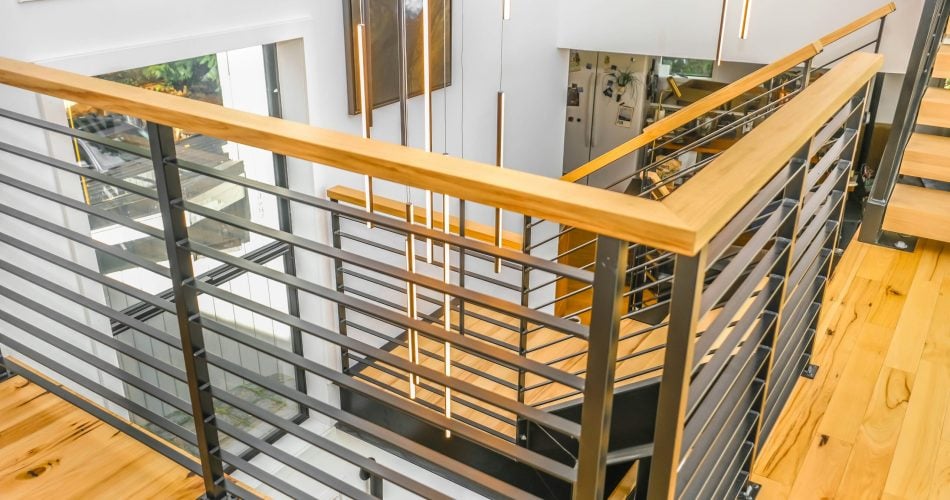
Stone Oak homeowners weighing cable railing against conventional options deserve a straight comparison.
Pros of cable railing:
Cons of cable railing:
The trade-off is direct: cable railing costs more now and asks less of you for the life of the deck. Traditional wood baluster railing costs less now and asks more every few years.
How long does cable railing last in San Antonio’s outdoor environment? A properly specified and installed cable railing system — 316 marine-grade stainless cable, quality terminal hardware, correctly anchored posts — has a realistic service life of 25 to 40 years in South Texas conditions.
The components that wear first in a cable railing system, when they do, are not the cable itself but the post finish (powder-coated steel can show surface corrosion at scratches if not touched up) and wood top rails if specified. The cable and stainless terminal hardware in a quality installation outlast most of the other components of the deck structure around them.
Wood baluster systems in San Antonio’s environment, for comparison, typically show meaningful weathering within 5 years and require full refinishing by year 7 to 10 without consistent upkeep. Cable’s maintenance profile in this climate is a genuine long-term advantage.
Cable railing in San Antonio must comply with the 2021 International Residential Code as adopted by the city. The San Antonio Development Services Department issues permits and conducts inspections for residential deck railing. Key requirements include a minimum 42-inch railing height for decks 30 inches or more above grade, cable spacing of no more than 3 inches on center, and cable tension that limits midspan deflection to 4 inches under a 200-pound concentrated load. Post anchoring must connect to structural framing, not the deck surface.
Paradise Decks and Spas submits permit drawings to San Antonio DSD on every project requiring a permit and handles inspection scheduling through final sign-off. As your cable railing contractor San Antonio, TX homeowners rely on for the full permit-to-inspection process, we engineer every system to pass — not to look like it should.
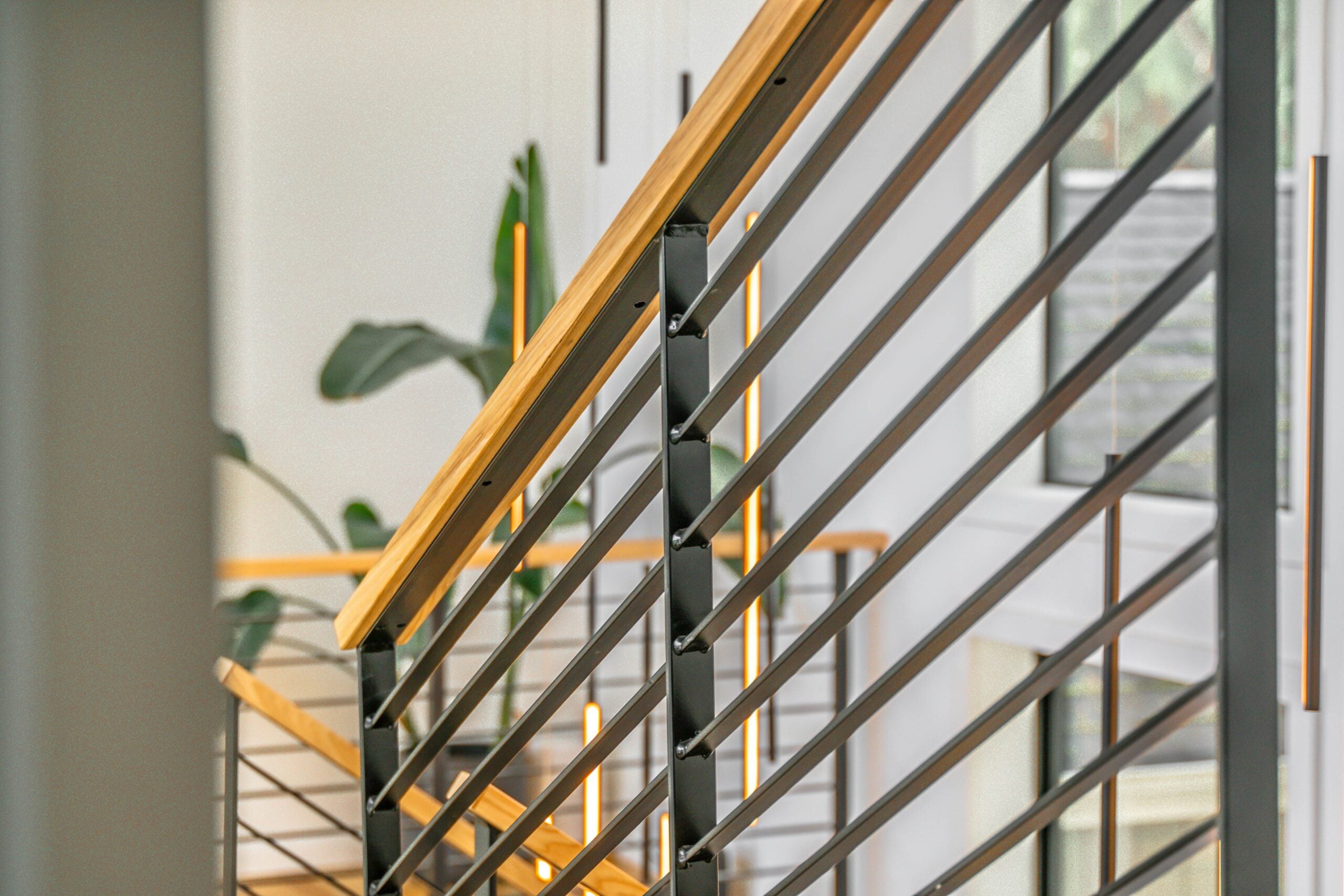
When Stone Oak homeowners search for a cable railing installer near me, the difference between contractors is rarely the cable itself — it’s whether the contractor understands the structural and code requirements that make a cable railing system safe, and whether they know how Stone Oak’s HOA process works.
As the best cable railing installer in Stone Oak, San Antonio, we bring 19+ years of completed projects in this market, A+ BBB accreditation since 2006, and direct experience with the HOA architectural committees that Stone Oak’s communities maintain. We know what documentation Sonterra requires, how Champions Ridge specifies materials, and how to prepare submittals that get approved.
For homeowners looking for cable railing installation near me in San Antonio across the broader north corridor — Helotes, Bulverde, Boerne, or Cibolo — our service area covers the full region. As the contractor for stainless cable deck railing in North San Antonio homeowners in this market call for complete projects, we start every engagement with a free on-site consultation — walking your deck, discussing post material and top rail preferences, measuring run lengths, and returning with a fixed-price written quote covering all materials, labor, permits, and HOA documentation.
For larger project context, see our deck construction Stone Oak guide and our Stone Oak service area page. For deck design where cable railing is part of a new build, our deck design service covers the full design-to-permit process.
Request your free cable railing quote — call (210) 496-3325 or visit our showroom at 10615 Perrin Beitel, Suite 604, San Antonio.
Cable railing is a railing system that uses horizontal runs of stainless steel cable stretched between vertical posts as the infill, instead of traditional wood or composite balusters. Cable runs thread through intermediate posts and terminate at end posts using adjustable stainless fittings that set and maintain tension. Posts do the structural work; the cable provides code-compliant infill at 3-inch maximum spacing, preserving sightlines while containing people safely at code-required heights.
Cable railing in San Antonio typically runs $85 to $150 per linear foot installed, depending on post material. For a standard Stone Oak deck with 60 to 80 linear feet of railing, budget $6,000 to $10,000 installed, including permits, HOA documentation, and all labor and materials. Traditional wood baluster systems run $30 to $55 per linear foot — lower upfront, but with significant ongoing maintenance cost in San Antonio’s climate that narrows the gap over time.
Yes. Cable railing is fully code-compliant in Texas when installed to the 2021 IRC requirements adopted by the City of San Antonio — 42-inch minimum height for decks 30 inches or more above grade, cables spaced 3 inches on center maximum, and cable tension limiting midspan deflection to 4 inches under a 200-pound load. Paradise Decks and Spas handles San Antonio DSD permit submittal and inspection scheduling on every project that requires a permit.
No. Marine-grade 316 stainless steel cable doesn’t rust, doesn’t require painting or sealing, and holds its appearance through years of Texas UV and humidity. Some cable tension adjustment may be needed in the first 6 to 12 months after installation as cables seat into fittings. Beyond that, occasional wiping is the full extent of routine maintenance — a significant advantage over wood baluster systems that require staining or sealing every 3 to 5 years in San Antonio’s outdoor environment.
Cable railing’s advantages are unobstructed sightlines, durability in Texas heat and UV, low maintenance, and a modern aesthetic that fits Stone Oak’s architectural character. Its disadvantages are higher upfront cost (40 to 80 percent more installed than wood baluster systems), horizontal cables that can serve as a climbing surface for young children, and occasional first-year retensioning. For Stone Oak homeowners with elevated decks and views to preserve, cable railing’s long-term performance and minimal maintenance profile in this climate typically outweigh the higher initial investment.
Paradise Decks & Spas San Antonio, TX Phone: (210) 496-3325 Email: info@paradisedecksandspas.com
Serving Stone Oak, North San Antonio, Shavano Park, Helotes, Bulverde, and the greater San Antonio metro.
Request a free composite deck estimate or call (210) 496-3325.