
Yes, but only if the whole chain is specified for it from the start. Dimming low voltage LED needs a compatible transformer, compatible fixtures and a matched dimmer, and adding it afterwards usually means replacing the transformer. Paradise Decks & Spas installs deck lighting across Stone Oak, and controls are decided at design stage rather than at the end.
By Rick Hogue, Founder & Lead Deck Specialist · Last updated October 2026
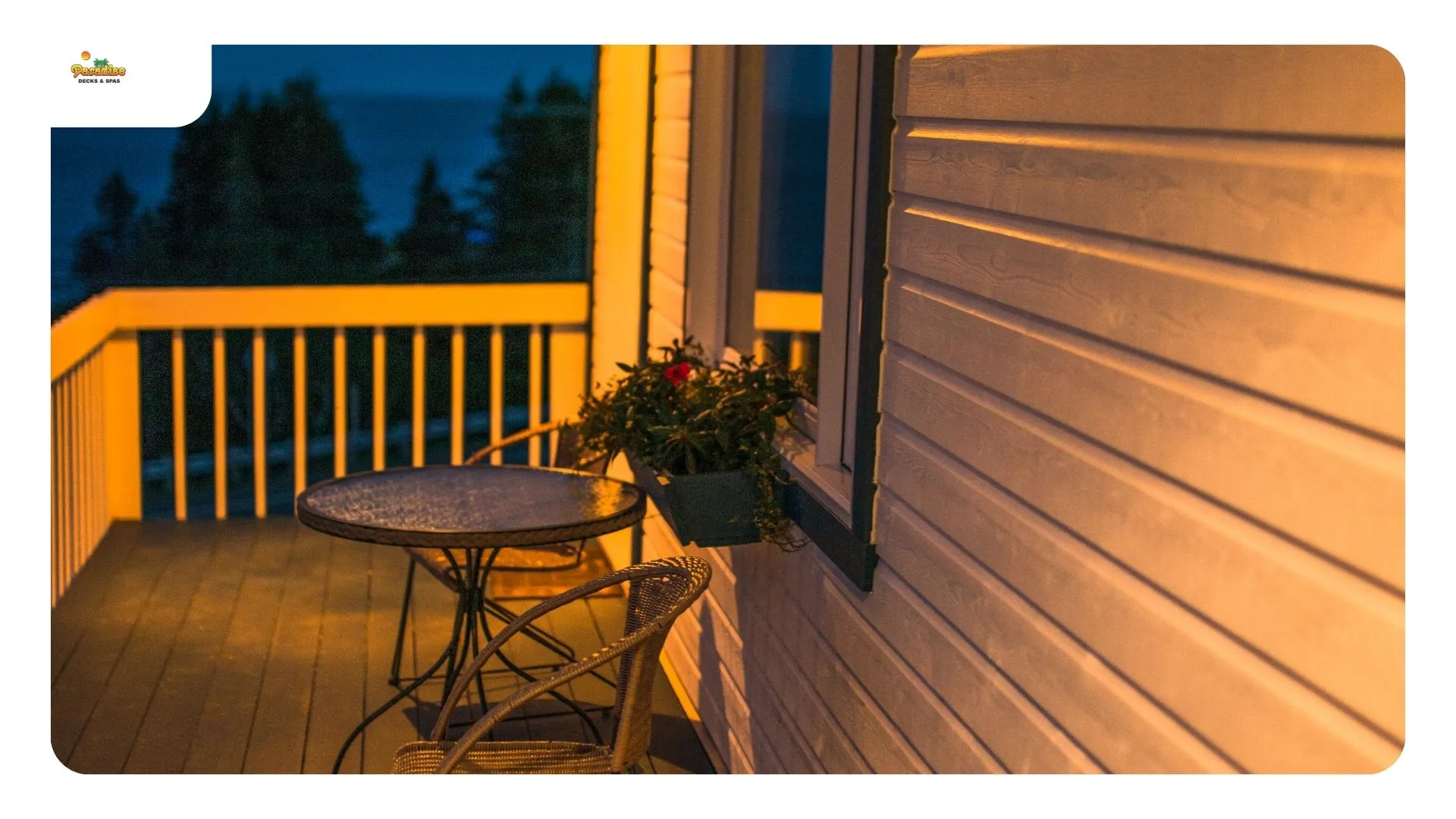
Both, and they are separate questions with separate hardware.
Dimming is the one that has to be planned. A low voltage system dims only when the transformer, the fixtures and the dimmer are all designed to work together. A standard magnetic transformer with a wall dimmer in front of it will flicker, buzz, or drop fixtures out at the low end. The fix is an electronic dimmable transformer and fixtures rated for it. Retrofitting dimming onto a system that was not specified for it generally means a new transformer, which is why we ask about it before anything is ordered rather than after.
Scheduling is easier and can be added later on most systems:
One caution worth naming: anything running on a 120 volt circuit, including a new exterior outlet for the transformer or a hardwired smart controller, is licensed electrical work in Texas, as the state’s electrical licensing rules set out. The low voltage side after the transformer is not. That line matters when you are comparing quotes.
Zoning is what makes controls worth having, and three zones covers almost every Stone Oak deck.
The safety layer. Stair risers and anything marking a level change or an edge. This zone runs every night at full output on the timer, with no dimming, because it exists so nobody misses a step. If you take one thing from this page, make the stairs independent of everything else.
The ambient layer. Rail and perimeter lighting that defines the space. This is the zone that benefits most from dimming, since the level you want for a dinner is not the level you want when carrying things in and out.
The accent layer. Anything uplighting a tree, washing a wall, or lighting a water feature. Used occasionally, switched separately, and the first thing you turn off when you want the deck dark enough to see the sky.
On a multi level deck, each tier usually wants its own switch within the ambient zone, so you can light the dining tier without lighting the spa tier.
Shorter than the box says, and the number on the box is not measuring what most people think it measures.
What L70 actually means. The familiar 50,000 hour figure is an L70 rating: the projected point at which the fixture still produces 70% of its original light output. It is a fade projection, not a failure date, and it is derived from LED package testing under IES methods at a controlled ambient temperature, commonly around 25 degrees Celsius. That is 77 Fahrenheit. A fixture sitting in a deck surface in a Stone Oak August is nowhere near that.
The driver usually dies first. The LED chips are the durable part. The driver or transformer that feeds them contains electrolytic capacitors, and capacitor life is roughly halved for every ten degree Celsius rise above its rated temperature. That is why outdoor lighting rarely fades to 70% output. It fails, suddenly, and usually in the power supply.
What that means in practice here:
| Build quality | Realistic service life in this climate |
|---|---|
| Cheap plastic housed fixtures, consumer transformer | 3 to 6 years, often transformer first |
| Mid range, die cast aluminium, sealed | 8 to 12 years |
| Brass or copper, quality driver, properly sized transformer | 12 to 15 years and up |
The spread between those rows is heat management. Metal housings conduct heat away from the LED and the driver. Plastic traps it. That is the entire difference, and it is why we specify die cast aluminium, brass or copper on a deck surface that reaches well over 100 degrees in summer.
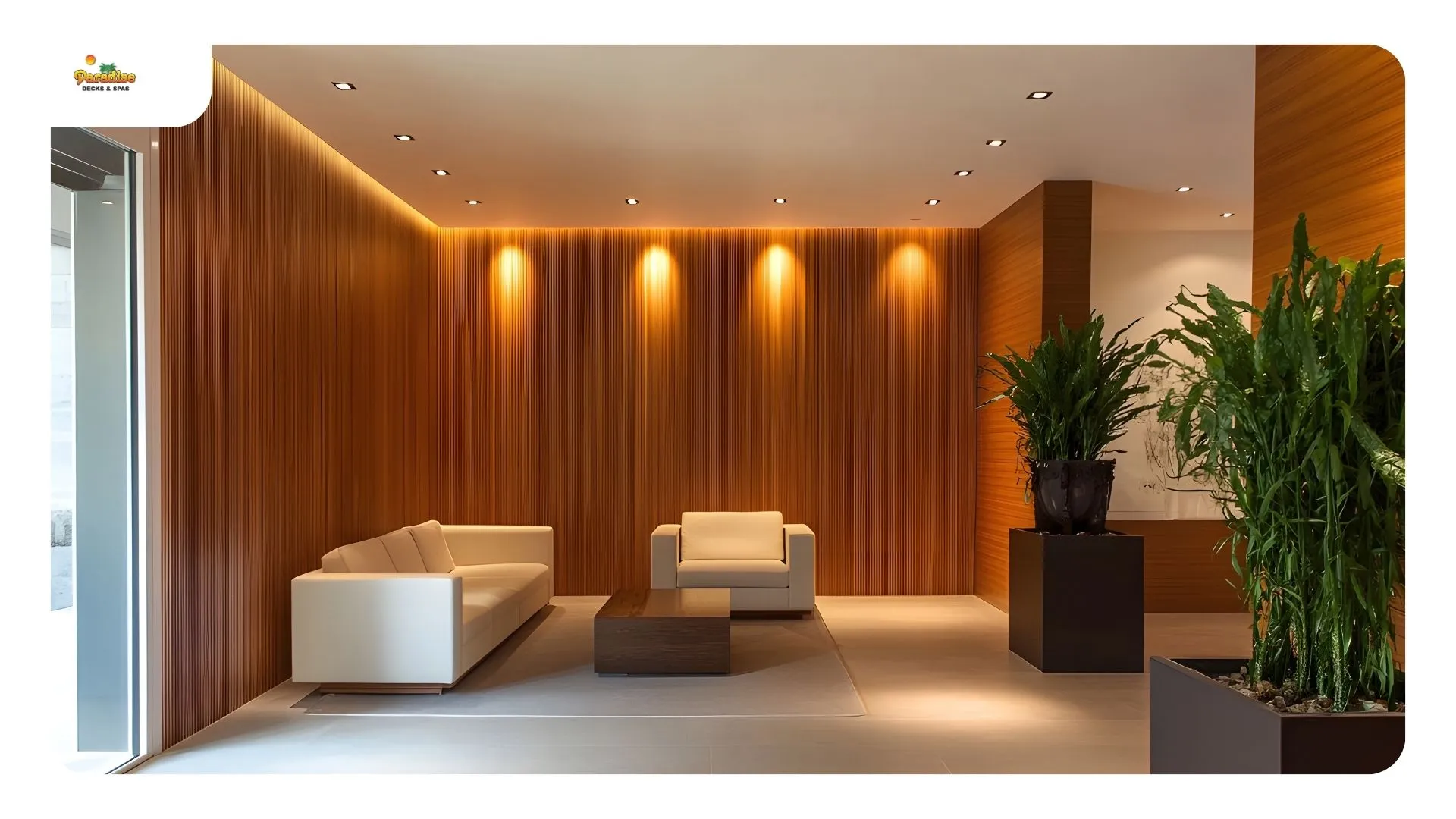
Five questions that separate a system you forget about from one you keep calling someone about.
The other failure point nobody mentions is the connections. Humidity, irrigation overspray and splash corrode ordinary splices within a couple of seasons, so every junction should be a sealed, gel filled or silicone connector rated for direct burial.
For layout and placement, including which layer does what and how to get light onto stairs and railings without glare, our glare free deck lighting guide covers the design side in detail.
For what a system costs, including per fixture pricing, system budgets by size and the premium on retrofitting an existing deck, see our Stone Oak deck lighting cost guide. Short version on retrofits: yes, lighting can be added to a finished deck, and access underneath is what decides the price.
If the deck itself is also being built or rebuilt, lighting goes in during framing at a fraction of the retrofit cost. That is covered in our Stone Oak deck construction guide.
We work from our Perrin Beitel showroom and cover Stone Oak on both sides of 281, including Sonterra, the TPC Parkway corridor, the neighborhoods near Stone Oak Park, and north toward Timberwood Park. A lighting quote starts with a walk of the deck after dark where we can, counting risers and rail feet, finding the nearest usable outlet, and asking how you want it controlled, because that last answer changes what gets specified.
See the Stone Oak service area page for everything we handle locally, and the deck lighting service page for the work itself. We also cover Bulverde, Boerne, Helotes and Alamo Heights, with fourteen communities on the full service area list. The wider range sits on the custom decks page.
Can deck lighting be dimmed or put on a schedule?
Both, with different hardware. Dimming requires a compatible electronic transformer, fixtures rated for dimming and a matched dimmer, and it has to be specified at the start because retrofitting it usually means replacing the transformer. Scheduling is easier and can be added later, using a photocell, an astronomic timer that tracks sunset by season, or an app controller.
Who installs low voltage deck lighting near Stone Oak?
We do, out of our Perrin Beitel showroom, across Stone Oak and north San Antonio. The low voltage side after the transformer is not licensed electrical work, but a new 120 volt exterior circuit or outlet for the transformer is, which is worth checking when comparing quotes.
Can I add lighting to my existing deck in Stone Oak?
Yes, and retrofits are a large share of what we do. Low voltage cable runs along the underside of the joists without disturbing the deck surface, and rail and riser lighting retrofit most cleanly. Access underneath is the main variable in the price.
What are the best deck lighting ideas for a Stone Oak backyard?
Start with three zones: stair risers on every night for safety, dimmable rail and perimeter lighting for ambience, and separately switched accent lighting for trees or features. On a multi level deck, give each tier its own switch so you can light the dining area without lighting the spa.
How long do LED deck lights last in Texas heat?
Three to six years for cheap plastic fixtures with a consumer transformer, eight to twelve for mid range die cast aluminium, and twelve to fifteen or more for brass or copper with a quality driver. The 50,000 hour figure on the box is an L70 fade projection measured at around 77 degrees, not a failure date, and in practice the driver or transformer fails long before the LEDs fade.
Paradise Decks & Spas
Adress:10615 Perrin Beitel, Suite 604 San Antonio, TX 78217
Phone: (210) 496-3325
Email: info@paradisedecksandspas.com
Hours: Monday to Friday 9:00 AM to 5:00 PM · Saturday 9:00 AM to 4:00 PM · Sunday Closed
Building above ground pool decks across north San Antonio, including Stone Oak, Timberwood Park, Bulverde, Boerne, Helotes, Converse and Schertz.