
Canyon Lake homeowners chose this community for one primary reason: the lake. Every outdoor living project here is shaped by that choice — structures designed to capture lake views, materials selected for constant moisture exposure, and elevated builds on rocky limestone slopes that put the deck at the right height to feel connected to the water below. Paradise Decks & Spas designs and builds custom lakeside decks, waterfront outdoor living spaces, and lake-view structures at Canyon Lake built specifically for what this environment demands.
By Rick Hogue, Founder & Lead Deck Specialist · Last Updated June 2026
Canyon Lake is unlike any other community in our service area. Most outdoor living projects we build are about creating a connection to a backyard. Canyon Lake projects are about creating a connection to the lake—a specific view, a specific experience, and a unique environment. That environment shapes every material and structural decision we make.
The lake environment at Canyon Lake creates outdoor living challenges that don’t exist in suburban San Antonio. Rocky limestone terrain with minimal soil depth requires different footing approaches than clay-dominant soil. Constant moisture from lake proximity, morning humidity, and water-adjacent living accelerates material deterioration. Many products that perform well in suburban settings can fail much sooner at the water’s edge. Wind exposure on elevated properties above the lake also requires stronger lateral bracing than ground-level suburban decks.
Paradise Decks & Spas has been building in Canyon Lake and surrounding Comal County since 2006. We understand the material requirements for lake-adjacent construction, the footing challenges of limestone terrain, and the design priorities of homeowners. Our goal is to create outdoor spaces that make the most of Canyon Lake living.

Lake-Adjacent Moisture Exposure — Materials Must Perform at the Water’s Edge
The most important distinction in Canyon Lake outdoor living construction is moisture. Properties near the lake experience elevated humidity, morning lake mist, and, in some cases, direct water splash. These conditions create a continuous wet-dry cycle on outdoor surfaces. This environment accelerates the deterioration of wood-based materials much faster than in suburban San Antonio. Pressure-treated wood that may last 20 years in a suburban backyard can show significant deterioration in just 8–10 years near the lake.
Rocky Limestone Terrain — Footing Approaches Must Account for Rock
Canyon Lake’s terrain is dominated by limestone, the same Hill Country geology found throughout Comal County. This creates footing challenges that are very different from the clay soils common in many of our other service areas.
Limestone can appear at varying depths. In some locations, it is only 6–12 inches below the surface. Standard post-hole augers cannot penetrate limestone, so rock drilling equipment is required. We evaluate each property’s soil and rock conditions during the site visit. Then we determine the proper footing depth, diameter, and drilling method for that location.
Vacation, Second Home, and Full-Time Resident Mix
Canyon Lake includes full-time residents, vacation homeowners, and second-home owners. This mix creates different planning considerations for every project.
Vacation and second-home owners often need projects completed within a specific timeline that matches their travel schedule. Full-time residents typically focus on long-term durability and consistent quality. We plan every project around the homeowner’s schedule and property use.
Paradise Decks & Spas is a true single-source contractor for outdoor projects in Canyon Lake. From the first design sketch to the final walkthrough, one team handles your entire project.
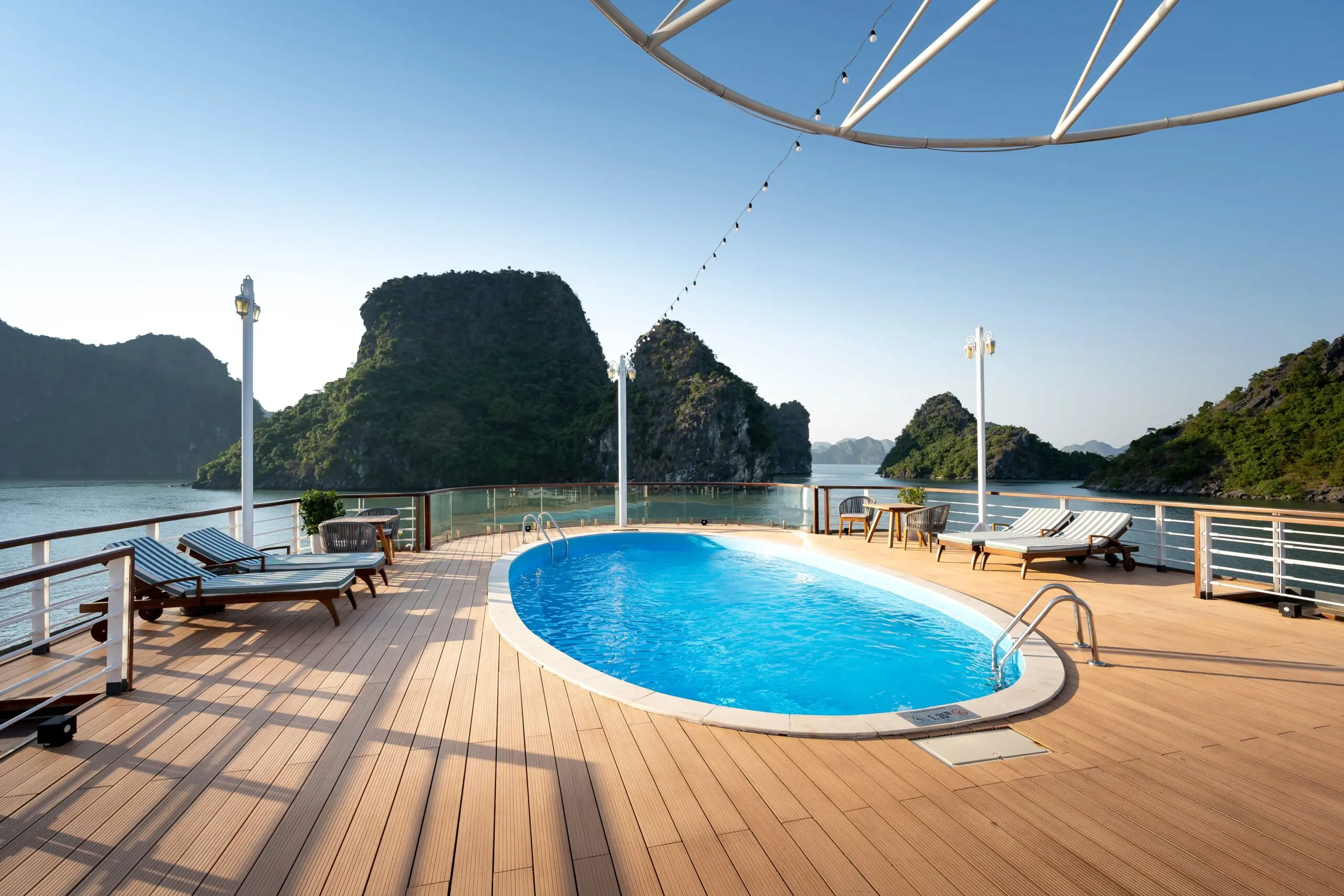
Lakeside decks are the signature outdoor living project in Canyon Lake — elevated structures built on rocky terrain, positioned to capture lake views, and constructed with materials that withstand constant moisture exposure. We design every deck around the property’s terrain, view orientation, and proximity to the lake, with AZEK PVC as our standard recommendation for the decking surface and cable railing as our preferred option for preserving lake views.
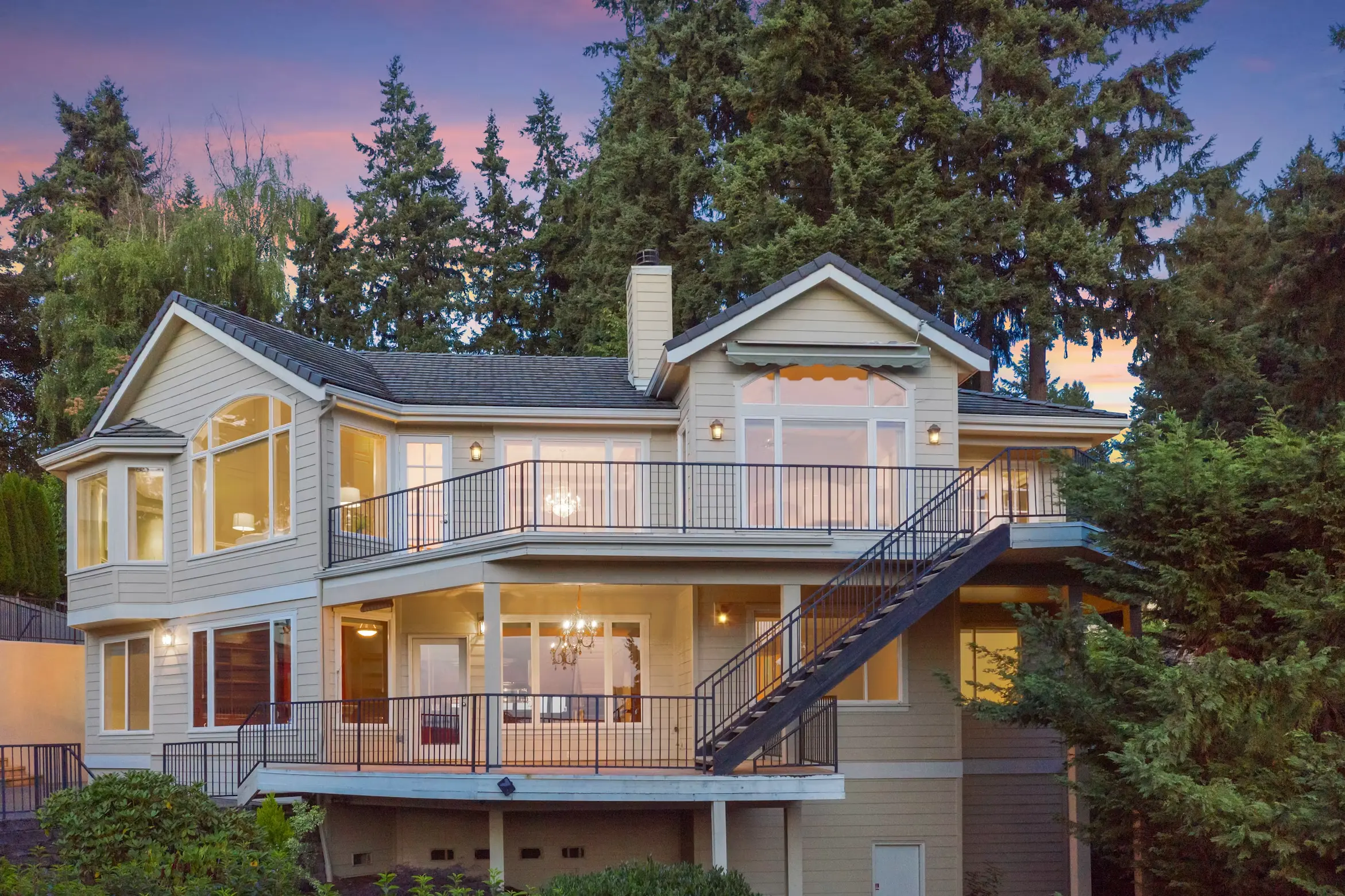
Elevated deck construction on Canyon Lake’s rocky limestone terrain requires specialized footing methods — rock drilling where limestone is close to the surface, variable post heights calculated for the site’s grade, and lateral bracing engineered for the added height and wind exposure. We evaluate soil and rock conditions during every site visit, then determine the proper drilling method, footing design, and post sizing, bringing specialized rock-drilling equipment to Canyon Lake whenever conditions require it.
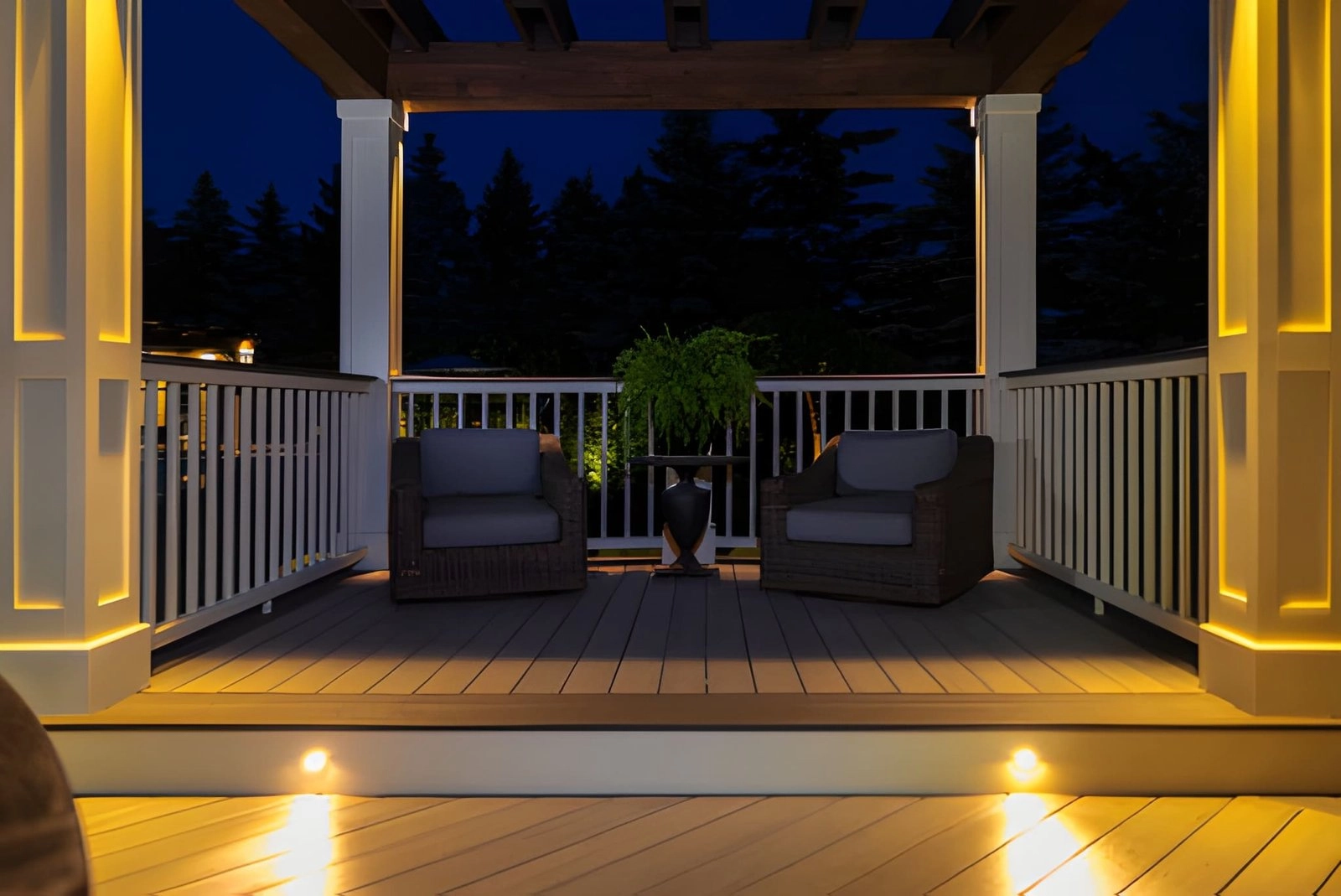
For Canyon Lake lakeside applications, AZEK full cellular PVC decking is the preferred surface material — it contains no wood fiber, resists moisture completely, and carries a 50-year warranty designed for demanding environments. We install AZEK with proper framing, hidden fasteners, and sealed field cuts for long-term performance, and for properties farther from the lake with moderate moisture exposure, TimberTech or Trex composite with a high-quality polymer cap is also an excellent option.

Cable railing is the preferred choice for elevated Canyon Lake decks with lake views — horizontal stainless cables spaced 3 inches apart create a nearly transparent barrier while maintaining safety. We install it with 316 marine-grade stainless steel cable, an alloy that performs better in humid lakeside environments and helps prevent surface rust, and every railing system is engineered for the elevated deck structure it supports.
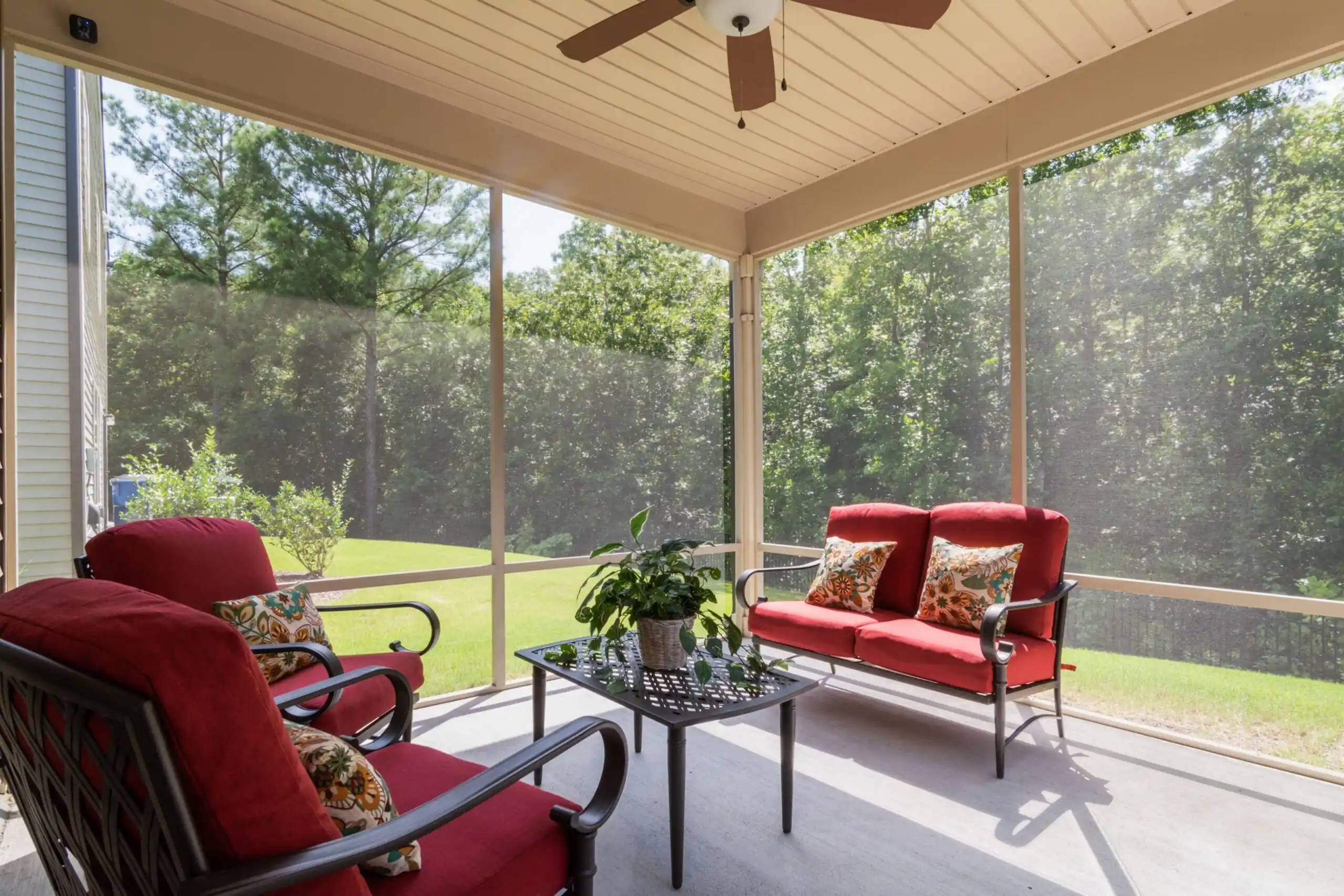
Covered patios and pergolas extend outdoor living while maintaining a connection to the lake, and we position every structure to provide shade and weather protection without blocking the surrounding views. Cedar pergolas remain a popular choice for their natural appearance, while aluminum louvered roof systems are also common because they let homeowners adjust shade and weather protection as conditions change.
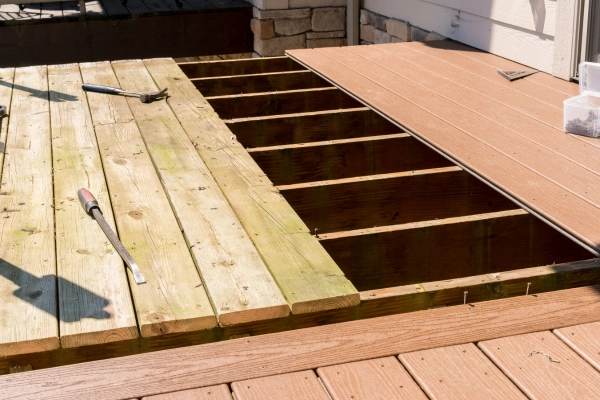
Many Canyon Lake properties have older wood decks that have deteriorated faster than similar suburban structures, since the lakeside moisture environment significantly accelerates wear on wood framing and decking. We evaluate each existing deck during a free site visit — checking structural members, surface materials, and footing integrity — and when replacement is the better long-term solution, we remove the existing structure and rebuild using materials designed for Canyon Lake’s lakeside environment.
The material decisions on a Canyon Lake lakeside deck determine whether the structure holds up for 30+ years or requires significant repair within a decade. Here’s how we think about material selection for Canyon Lake specifically:
Decking surface — AZEK PVC for lake proximity, capped composite for moderate exposure. AZEK full cellular PVC is the correct choice for any Canyon Lake deck surface within 30–50 feet of the lake shoreline or in direct moisture exposure. Its zero wood-fiber content means there is no material for moisture to degrade — the surface performs identically in year 25 as it did in year 1. For Canyon Lake properties where lake proximity is less direct — elevated lots with lake views but not immediate shoreline access — TimberTech PRO or Trex Transcend capped composite is appropriate and performs well in the elevated moisture environment.
Framing — pressure-treated lumber specified for ground contact and moisture exposure. Even with a PVC or composite surface, the subframe framing requires proper specification for the Canyon Lake moisture environment. We use the correct pressure-treatment retention level for each framing member’s position relative to moisture exposure — ground contact, above-ground but moisture-adjacent, and true above-grade applications all have different treatment requirements.
Hardware — stainless or hot-dipped galvanized throughout. Standard zinc-plated hardware rusts rapidly in lakeside environments. We specify 316 stainless steel or hot-dipped galvanized hardware on every Canyon Lake project — at framing connections, joist hangers, ledger lag bolts, and railing post bases. The hardware specification is as important as the material specification for long-term performance in a lake environment.
Railing — 316 marine-grade stainless cable. Standard 304 stainless cable railing — adequate in suburban environments — can develop surface rust staining in the elevated humidity and moisture exposure of a Canyon Lake lakeside setting. We specify 316 marine-grade stainless for all Canyon Lake cable railing applications — the same alloy used in marine and coastal construction.
Our Canyon Lake service area covers the full Canyon Lake community and surrounding Comal County including Spring Branch, Sattler, Startzville, Hancock, and adjacent areas along the Guadalupe River corridor.
AZEK full cellular PVC decking is our top recommendation for Canyon Lake lakeside applications — any deck surface within close proximity to the lake shoreline or in direct moisture exposure. AZEK contains no wood fiber and is completely impervious to moisture absorption, giving it a 50-year warranty that reflects genuine performance in exactly the kind of environment Canyon Lake represents. For Canyon Lake properties with lake views but less direct moisture exposure — elevated lots well above the shoreline — TimberTech PRO or Trex Transcend capped composite is also appropriate. We recommend based on the specific moisture exposure at your property.
Canyon Lake’s limestone geology requires a different approach than the clay-dominant soil in most of our service area. We evaluate rock depth at each proposed footing location during the site visit using hand probes and shallow test digs. Where limestone is within auger depth, we use rock drilling equipment specifically to penetrate and set footings into solid rock — a far more secure foundation than a shallow footing in thin soil above rock. We plan the footing approach and equipment needs before the project starts, not after we arrive on site.
Standard cable railing uses 304 stainless steel cable — adequate for most suburban and inland applications. At Canyon Lake, elevated humidity and consistent moisture exposure from the lake environment can cause 304 stainless to develop surface rust staining over time. 316 marine-grade stainless contains molybdenum in its alloy, which significantly improves corrosion resistance in moisture-heavy environments. We specify 316 on all Canyon Lake cable railing installations for the same reason marine and coastal contractors specify it — it’s the correct alloy for the environment.
Almost certainly yes, if the structure is more than 10–12 years old with visible moisture damage. The lake environment at Canyon Lake accelerates wood deck deterioration significantly compared to suburban conditions — a wood deck that would last 20 years in a San Antonio backyard may show serious structural degradation in 8–12 years at Canyon Lake. When structural members show rot or moisture intrusion, replacement is the correct path — and replacement with AZEK PVC on a properly treated subframe eliminates the moisture degradation cycle entirely going forward.
Whether you need a lakeside deck built from the right materials for the lake environment, an elevated build on rocky terrain that captures your lake view, a replacement for an existing wood deck that’s run its course, or a complete outdoor living environment at the water’s edge — Paradise Decks & Spas has built it at Canyon Lake before and will bring the same expertise to your project.
Call (210) 496-3325 or email info@paradisedecksandspas.com to schedule your free on-site consultation.